

Invest Qatar, LG NOVA and Aurion Expand MENA Tech Investment
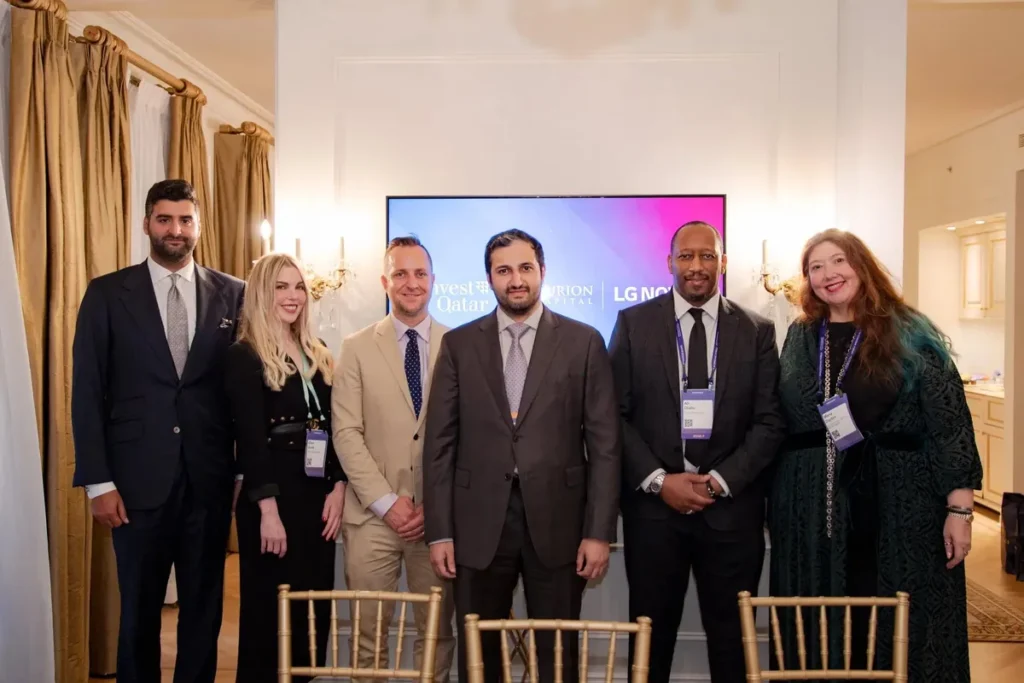
Invest Qatar, Aurion Capital, and LG Nova have entered into a memorandum of understanding (MoU) to explore technology investments and venture-building opportunities in Qatar and across the Middle East.
Real Estate Sector Poised for 3–4% CAGR Through 2027
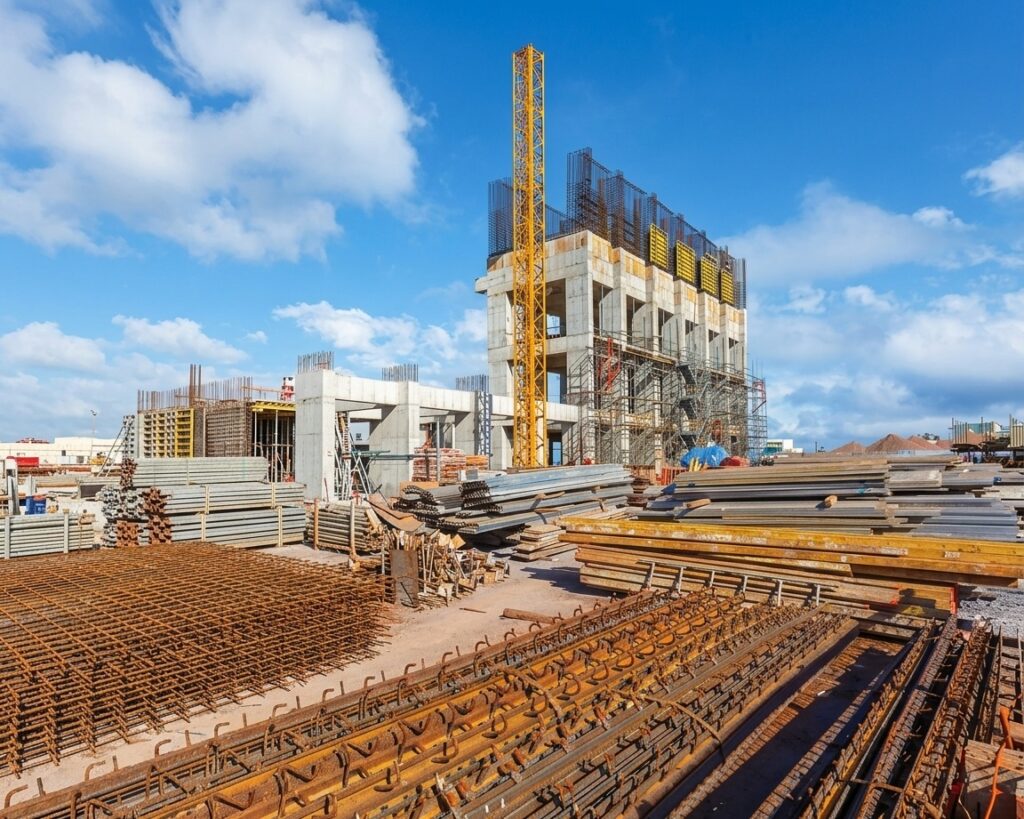
Qatar’s real estate and construction sectors are expanding steadily in 2026, backed by economic diversification under the Qatar National Vision 2030. In terms of construction output, the sector reached an estimated US$54.51 billion (QR198.42 billion) in 2026 with a 4.4 percent to 5.2 percent real-term growth rate. In terms of transactions, the first-half figures surpassed QR10.69 billion, reflecting resilient investor confidence. Long-term forecasts of the construction market is projected to climb to US$66.74 billion (QR242.92 billion) by 2031. Qatar’s construction industry to expand by 5.2 percent in real terms in 2026, supported by private investments in renewable energy, hospitality and transportation infrastructure. According to the Planning and Statistics Authority (PSA), Qatar’s construction industry value-add grew by 9.1 percent year-on-year (YoY) in Q3 2025, preceded by YoY growth of 8.7 percent in Q2 and 4.4 percent in Q1 2025. Recently, in December 2025, Sheikh Tamim bin Hamad Al Thani, the Amir of the State of Qatar, approved the general budget for the 2026 fiscal year (from January 1, 2026 to December 31, 2026), which is expected to boost investments in educational, healthcare and transport projects The budget includes an estimated total government expenditure of QR220.8 billion (US$60.7 billion), up 5 percent from the 2025 budget. On the revenue side, the government projects total revenue of QR199 billion (US$54.7 billion), primarily driven by oil and gas earnings, supported by non-hydrocarbon revenues. Around QR62.8 billion (US$17.3 billion) is allocated to major capital projects, such as infrastructure, transport, and development initiatives that support long-term economic diversification, reflecting a 5.7 percent increase compared to the QR59.4 billion (US$16.3 billion) allocated in the 2025 budget. However, recent joint US-Israeli strikes on Iran, starting February 28, 2026, are expected to have a substantial effect on Qatar’s Liquefied natural gas (LNG) exports, presenting a critical threat. As the world’s second-largest LNG exporter, Qatar is expected to face a severe threat if the Strait of Hormuz remains a conflict zone, impacting the country’s economy and public investments in infrastructure development. Qatar’s construction industry, over the forecast period, is expected to register an annual average growth of 4.5 percent from 2027 to 2030, supported by investments in LNG, renewable energy and transport infrastructure projects. Under the Qatar Ministry of Transport (MoT) Strategy 2025-30, also known as ‘Reaching Beyond Horizons,’ the government of Qatar aims to develop 124 transport infrastructure projects across 42 initiatives by 2030, with an estimated investment of QR1.2 billion (US$329.7 million). US$300 BILLION (QR1.09 TRILLION) INVESTMENT ON THE BACK OF FIFA 2022 WORLD CUP IN QATAR STABLE FOOTING Qatar’s construction and real estate sectors entered 2026 on a stable footing, although the Iran conflict temporarily dampened buyer sentiment and slowed transaction momentum, particularly in discretionary residential and investment-led segments. These segments play a key role in Qatar’s National Vision 2030, the country’s roadmap for economic diversification, according to Oxford Business Group’s analysis. Despite these geopolitical headwinds, construction is expected to expand moderately in 2026 and 2027, supported by population and tourism growth, alongside government-backed infrastructure projects, LNG expansion projects, renewable energy investment and urban development schemes. Private sector participation has been on the rise and demand remains steady for the refurbishment of infrastructure built for the 2022 FIFA World Cup. Nevertheless, the sector now faces a higher degree of delivery risk with the Iran conflict having disrupted Qatar’s LNG infrastructure, heightening uncertainty across regional shipping routes and input supply chains. While this is unlikely to derail the construction pipeline, the after effects of the conflict may affect some projects. The real estate market stabilised during 2025, following a slowdown after Qatar’s hosting of the World Cup, with transaction activity gradually returning to more typical levels across key segments. Reflecting this trend, S&P Global Ratings reported in January 2026 that Qatar’s residential property sector was experiencing a moderate recovery. STRUCTURE AND OVERSIGHT Qatar’s Public Works Authority (Ashghal) is responsible for the design, management, and delivery of major infrastructure projects, including transport, urban development, and water and waste management. The Ministry of Municipality (formerly the Ministry of Municipality and the Environment) oversees urban planning, land surveys, zoning, building regulations and permitting, and maintains real estate transactions records. The Real Estate Regulatory Authority (Aqarat) regulates Qatar’s real estate sector, including the licensing of developers, development projects and related companies. The Real Estate Registration Department of the Ministry of Justice administers the legal and transactional framework for property ownership, including online applications for real estate registration and the issuance of title deeds. “TO MEET RISING DEMAND, THE NUMBER OF HOTEL ROOMS ACROSS QATAR IS SET TO INCREASE TO 45,569 BY 2028, UP FROM 42,555 IN 2025.” Alongside these regulatory bodies, Qatari Diar serves as a key government-backed developer and investment vehicle. CONSTRUCTION PERFORMANCE In the decade leading up to the 2022 FIFA World Cup, Qatar’s construction sector was driven by approximately US$300 billion (QR1.09 trillion) in investment as the country prepared to host the tournament. Following the competition, investment activity moderated, with the sector’s GDP contribution declining from 13.4 percent in 2021 to 11.3 percent in 2024. However, signs of renewed growth have emerged. In the first quarter of 2025 the construction sector contributed QR19.2 billion (US$5.3 billion), equivalent to 10.6 percent of GDP, representing year-on-year (y-o-y) growth of 4.4 percent, according to government figures. In the third quarter of 2025, construction was the fastest-growing industry within Qatar’s non-oil economy, expanding by 9.1 percent y-o-y. The construction market is forecast to expand from US$54.5 billion (QR198.4 billion) in 2026 to US$66.7 billion (QR244.8 billion) by 2031, at a compound annual growth rate (CAGR) of 4.1 percent, according to market intelligence firm Mordor Intelligence. Qatar’s construction sector continues to play a central role in the country’s national development agenda, with sustained growth in buildings and infrastructure supported by both public and private sector participation. PUBLIC AND PRIVATE SPEND As part of the government’s 2026 budget, Ashghal plans to issue infrastructure tenders worth QR49 billion (US$13.5 billion). This comes in addition to a series of infrastructure projects valued at QR81 billion (US$22.2
QAI and MEEZA to Deliver AI Infrastructure Services

Qai, Qatar’s artificial intelligence company, announced that it is deploying advanced GPU infrastructure with MEEZA, one of Qatar’s leading providers of end-to-end managed IT services and data centre facilities. Under the agreement, MEEZA will host Qai’s infrastructure within one of its certified, highly secure data centres in Qatar. This will allow Qai to offer advanced compute services while ensuring data sovereignty and full compliance with national data protection and cybersecurity regulations. Qai will deploy the latest generation of high-performance GPU infrastructure, supported by MEEZA’s high-density power alongside a comprehensive suite of managed services covering infrastructure operations, monitoring, and lifecycle management. The services will operate from facilities within Qatar, enabling enterprises working with Qai to adopt advanced AI services and workloads using data stored and governed under Qatari jurisdiction. Commenting on the agreement, Saad Sabah Al Kuwari, chief operating officer, Qai, said, “This is an important moment for Qai. The availability of high-quality data centre capacity within MEEZA allows us to quickly begin serving enterprises that want to deploy and scale AI securely. MEEZA shares that commitment, and together we can give enterprise partners the confidence they need to move ahead with their AI integration plans.” Saad continued, “MEEZA has been an exceptional partner. Their team has been highly responsive and collaborative at every stage. MEEZA went out of their way to accommodate our needs, enabling us to install the most advanced chipset compatible with the data centre infrastructure.” Mohamed Ali Al Ghaithani, MEEZA’s chief executive officer, said, “MEEZA is proud to stand alongside Qai to support its mission. Established to deliver Qatar with secure, world-class digital infrastructure, this partnership is a natural extension of that mandate. We look forward to empowering Qai and its customers to build AI capabilities that are secure, resilient, and firmly rooted in Qatar.” The partnership brings together Qai’s AI expertise and MEEZA’s proven track record in operating secure, Tier III and ISO 27001-certified Data Centre services for government and enterprise customers.
Rasmal Ventures and Bilişim Vadisi Build Startup Bridge
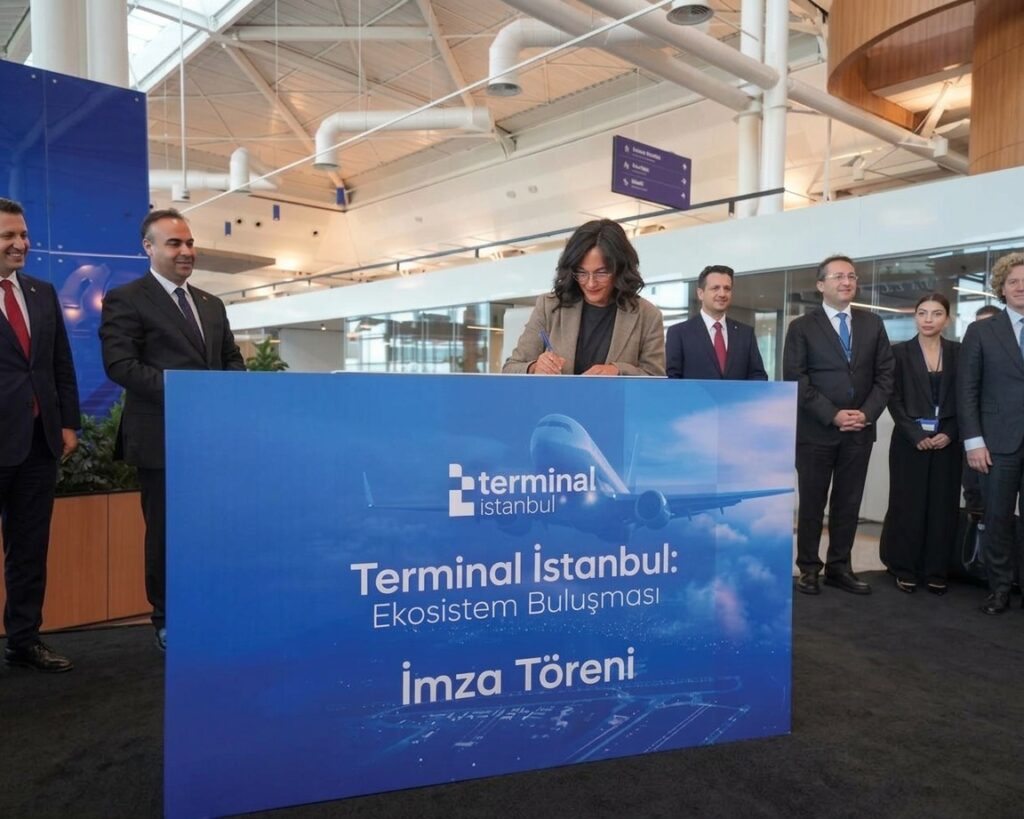
Rasmal Ventures, Qatar’s first institutionally backed investment firm, trusted by sovereign wealth funds including the Qatar Investment Authority (QIA), has signed a Memorandum of Understanding (MoU) with Bilişim Vadisi, one of Türkiye’s largest technology development zones, to strengthen the startup and innovation ecosystem across the two markets. The agreement was signed at GITEX Türkiye in Istanbul. Industry sources added that this MoU establishes a three-year framework for cooperation between Rasmal Ventures and Bilişim Vadisi – and its flagship entrepreneurship hub, Terminal Istanbul, the campus rising from the former Atatürk Airport that is being developed to host more than 10,000 technology companies. Under the agreement, the two institutions will collaborate on joint innovation programmes, investor and B2B matchmaking, knowledge exchange, capacity-building, and the two-way flow of startups, experts and networks between Türkiye and the Gulf. For Rasmal Ventures, the partnership is a direct expression of its strategy: to act as the bridge between Gulf capital and the innovation emerging across MENA, Türkiye and Asia. As Gulf capital increasingly looks beyond its borders and Türkiye cements its position as one of the world’s fastest-rising startup ecosystems, the agreement gives founders on both sides a structured path to cross — Turkish companies gaining a route into GCC markets and capital, and Gulf investors gaining a managed channel into Türkiye’s deep engineering talent and industrial base. “Türkiye is one of the most exciting startup stories in the world right now, and the Gulf holds one of the largest pools of patient capital anywhere,” said Soumaya Ben Beya Dridje, partner at Rasmal Ventures. “This partnership with Bilişim Vadisi lets us connect the two at ecosystem scale – giving Turkish founders a real bridge into GCC markets and capital, and our region access to some of the best engineering talent in the world. It reflects exactly how we work: we validate market access before we commit capital.” The agreement deepens an existing commitment. Rasmal Ventures is already invested in Türkiye’s innovation economy as an early backer of Roamless – the Türkiye-rooted travel-connectivity company building what it calls the world’s first truly global mobile operator – whose US$12 million (QR43.7 million) Series A Rasmal led. The MoU with Bilişim Vadisi turns that track record into a structured, ecosystem-wide channel between the two markets. For Bilişim Vadisi, the agreement extends Terminal Istanbul’s role as a meeting point between global entrepreneurs and investors directly into the Gulf. “Terminal Istanbul was built to make Türkiye a gateway between continents for entrepreneurs and investors,” said İsmail Erkam Tüzgen, CEO of Bilişim Vadisi. “Partnering with an institutional investor of Rasmal Ventures’ calibre extends that gateway directly into one of the world’s most dynamic capital markets, and opens new opportunities for the startups and companies across our ecosystem.” Industry sources added that the two institutions will define specific programmes and activities under the MoU over the coming months, with a focus on connecting founders, investors and corporates across the Gulf-Türkiye corridor.
Building a Stronger EU-Qatar Strategic Partnership
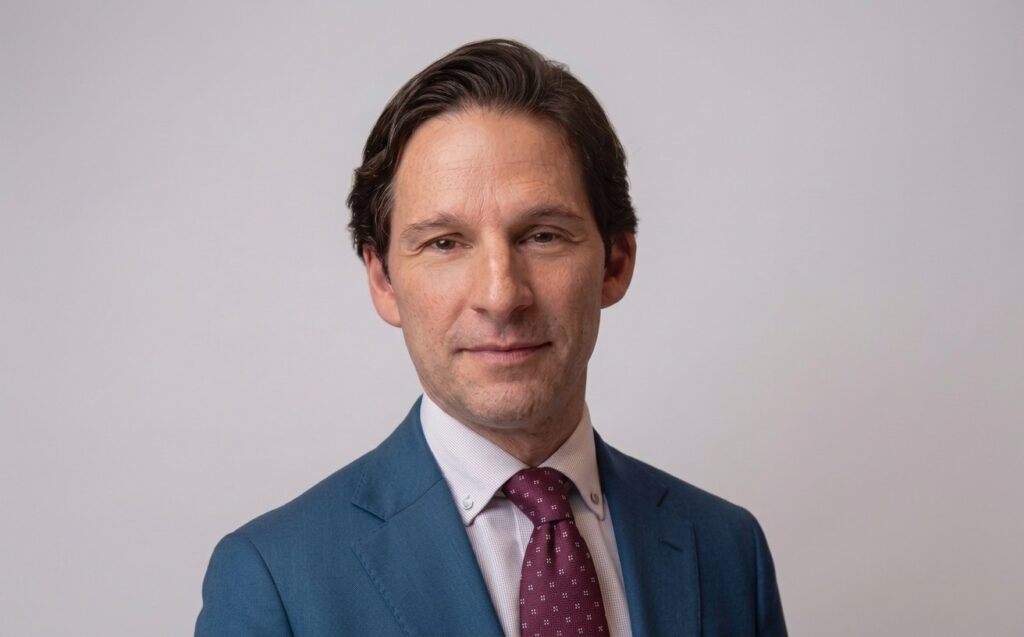
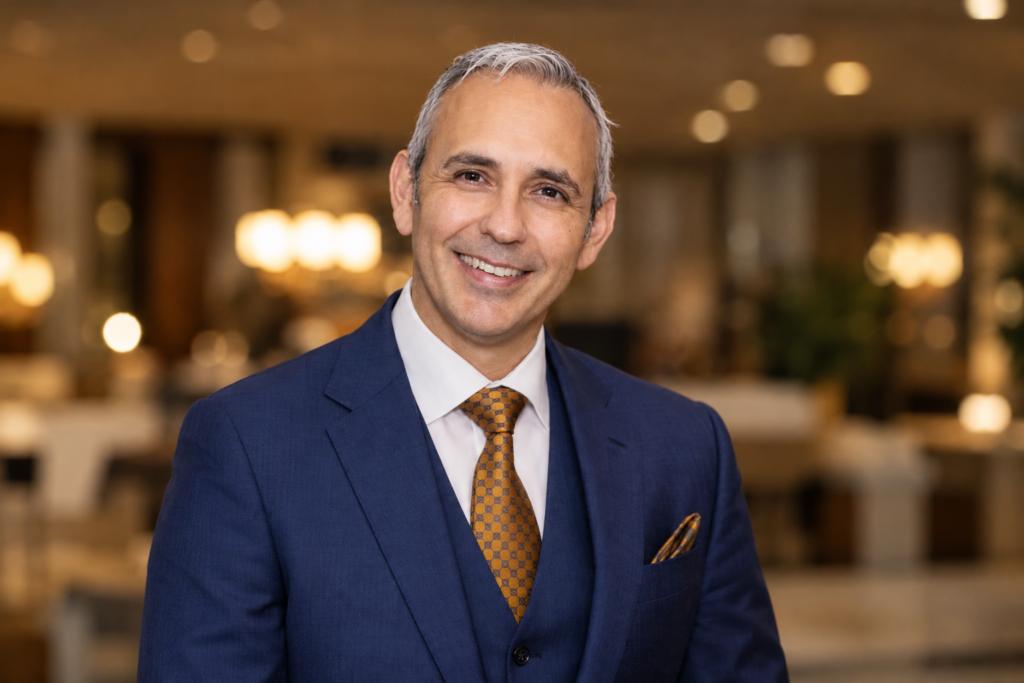
Antonino Maggiore, EU Ambassador to the State of Qatar speaks to Business Leaders ME on the key engagements that he will, in his capacity, lead in the last quarter of the year, EU-Qatar Strategic Partnership Agreement and how it is shaping up and the role that culture plays in diplomacy. “THE FINAL QUARTER OF 2026 OFFERS AN EXCEPTIONAL OPPORTUNITY TO DEEPEN EU-QATAR RELATIONS. THE EU INTENDS TO PARTICIPATE IN MILIPOL AND THE GLOBAL SECURITY FORUM AND IS LOOKING INTO ORGANISING HIGH-LEVEL EVENTS IN THE FIELD OF SECURITY AND DEFENCE ON THE MARGINS OF THE DOHA FORUM.” Could you walk us through your career journey and the experiences that have shaped your approach to diplomacy and your current role as the European Union’s Ambassador to the State of Qatar? Ambassador Maggiore: My career has been shaped by a strong belief in diplomacy as a practical instrument for building trust, identifying common interests and delivering concrete results. Over the years, I have had the opportunity to work in different diplomatic environments, both at the Italian diplomatic service and at the European diplomatic service, which has reinforced my conviction that successful partnerships between states are built not only through formal dialogue, but also through sustained engagement with governments, businesses, academia, civil society and cultural institutions I am particularly pleased to take up my responsibilities in Qatar at such a significant moment in our relationship and with the EU playing an important role as a global political player. Qatar has become an increasingly valued partner for the European Union, politically and economically, but also in areas such as energy, security, mediation, education, research and culture. Our objective is very clear: to make the EU-Qatar partnership broader, more visible and more concrete, and to ensure that our strong political dialogue is accompanied by tangible cooperation that benefits both Europeans and Qataris. What key engagements and initiatives will you lead in the final quarter of 2026, and how will they advance relations between the European Union and Qatar? Ambassador Maggiore: The final quarter of 2026 offers an exceptional opportunity to deepen EU-Qatar relations. We want to build on the very positive political momentum generated by recent high-level contacts and translate it into concrete cooperation. A major milestone is the EU-GCC Summit on October 24, in Riyadh. Qatar is an important partner for the EU within the Gulf, and the Summit provides an opportunity to advance cooperation on regional security, connectivity, trade and investment, energy, technology and people-to-people relations. At the bilateral level, our priority is to continue advancing negotiations on the EU-Qatar Strategic Partnership Agreement. At the same time, we want to develop practical initiatives involving European and Qatari stakeholders, including businesses, universities and cultural institutions. In addition, the EU also intends to participate in Milipol and the Global Security Forum and is looking into the possibility of organising high-level events in the field of security and defence on the margins of the Doha Forum. The creation of a business platform between Qatar and the EU is also being discussed with Qatari authorities. Talks on the EU-Qatar Strategic Partnership Agreement started at the Doha Forum last December. What do you hope to be able to show by the Forum in December? Ambassador Maggiore: The launch of negotiations on the Strategic Partnership Agreement was an important political signal because it reflects the ambition on both sides to take the relationship to a new level. It will create a framework capable of structuring our relationship for the years ahead. By the Doha Forum 2026, I hope we will be able to demonstrate tangible progress in the negotiations and, equally importantly, a clearer common understanding of the areas in which this agreement can bring real added value. We see real potential across sectors such as security, trade, energy and new technologies among others. Milipol and the Global Security Forum fall in the same week, with AI high on the agenda. What is the EU’s message on security cooperation with Qatar? Ambassador Maggiore: Security today is multidimensional and increasingly interconnected. Traditional security challenges coexist with cyber threats, disinformation, the misuse of artificial intelligence, threats to critical infrastructure and broader challenges to maritime and economic security. Artificial intelligence illustrates this particularly well. AI offers enormous opportunities for our economies and societies, including in the security field, but its development and use must remain responsible and human-centred. These are areas where neither Europe nor Qatar can act effectively alone. They require trusted international partnerships, information exchange, technological cooperation and common standards. We therefore see clear scope for strengthening our dialogue, combining Qatar’s growing role in regional security and mediation with European expertise, technology and regulatory experience. “THERE IS CONSIDERABLE POTENTIAL AND COMPLEMENTARITY. QATAR NATIONAL VISION 2030 PROVIDES A STRONG FRAMEWORK FOR ECONOMIC DIVERSIFICATION, AND MANY OF ITS PRIORITIES CORRESPOND CLOSELY WITH AREAS WHERE EUROPEAN COMPANIES ARE GLOBAL LEADERS.” Looking ahead to UNCTAD’s ninth World Investment Forum, what opportunities do you see for European investment and technology to support Qatar’s diversification? Ambassador Maggiore: There is considerable potential and complementarity. Qatar National Vision 2030 provides a strong framework for economic diversification, and many of its priorities correspond closely with areas where European companies are global leaders. Europe can offer Qatar not only capital or individual technologies, but an ecosystem combining innovation, research, highly specialised companies and world-class universities. I see particularly promising opportunities in the fields of new technologies, in particular AI, the green transition and connectivity. I would also emphasise that investment should increasingly work in both directions. Qatar is already a major investor in Europe, and there is significant potential to deepen these investment links further. Education and research are part of the EU-Qatar partnership agenda. What potential do you see for cooperation between the EU and Qatar Foundation, from student and academic exchange to research? Ambassador Maggiore: The potential is enormous because education, research and innovation are areas where both Qatar and the European Union are making substantial long-term investments. Qatar Foundation has created a remarkable ecosystem bringing together education,
Regenerate Cities: Doha Design District Shapes Architecture’s Future
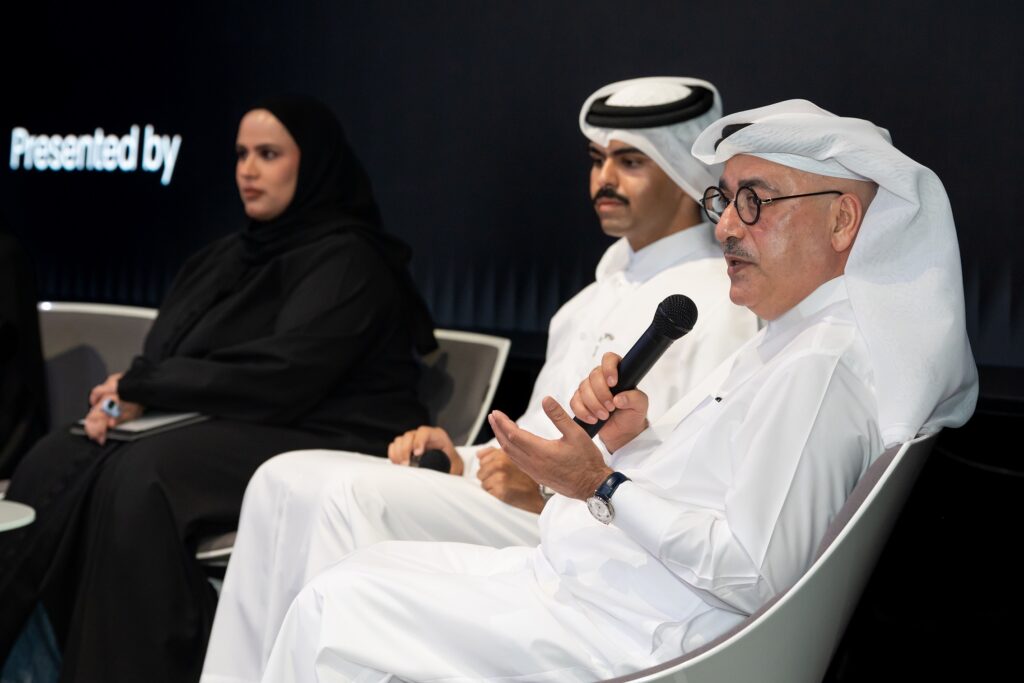
Architects, designers, academics and industry leaders gathered at SADA to explore how artificial intelligence and sustainability are reshaping the built environment. Doha Design District, powered by Msheireb Properties, brought together leading voices from architecture, design, academia and industry for a one-day forum exploring the future of urban design. Titled Regenerate Cities: Design for What Comes Next, the forum was held at SADA, the headquarters of Doha Design District. Presented by Msheireb Properties and Doha Design District, with AIA International as conference partner, the event examined how sustainability and artificial intelligence are influencing contemporary architectural practice. AI and the Changing Practice of Architecture Discussions explored how artificial intelligence can support more informed design decisions, accelerate analysis and help architects evaluate multiple design scenarios. Speakers also emphasised that human judgement, creativity and professional accountability must remain central to the design process. The sessions highlighted AI’s growing role in data-informed planning, performance modelling, design exploration and workflow optimisation. Participants also considered the importance of transparency, responsible adoption and professional oversight as new technologies become more integrated into architectural work. Following opening remarks by Dana Kazic, Director of Doha Design District, the programme featured international and local perspectives from Liya Maryam of AIA International, Fanos Panayides of John McAslan + Partners, Max De Castro of UNStudio, Mario Saab of Cundall, and Dr Esmat Zaidan of Hamad Bin Khalifa University. Sustainability at the Heart of Urban Development Sustainability was another central theme of the forum, with discussions examining how low-carbon design, efficient resource use, climate-responsive architecture and long-term resilience can help reduce environmental impact. Rather than viewing sustainability as a separate consideration, participants explored how it can be integrated into the design process, from energy and material efficiency to the social value and adaptability of places. The conversations also considered how regenerative thinking can support practical responses to climate change while helping cities become more resilient and responsive to the needs of their communities. Industry Leaders Discuss the Future of Cities A panel moderated by Salman Al Sulaiti brought together Eng. Ibrahim M. Al-Jaidah, Group CEO and Chief Architect at Arab Engineering Bureau; Dr. Moza Ghorab, Deputy Project Director and Senior Architect; Dana AlNaama, Senior Architect, Oil & Gas Sector; and Jabor Al-Dosari, Project Engineer at Qatar Museums. The discussion examined the relationship between architecture, technology and sustainability, alongside the evolving needs of cities and the communities they serve. Panellists explored how AI-enabled insights and sustainable design principles can complement one another, helping project teams assess performance, anticipate future requirements and develop adaptable, people-centred environments. Connecting Ideas, Disciplines and Perspectives Throughout the day, the forum provided a platform for exchanging ideas and connecting professionals across architecture, technology, sustainability, research and urban development. Featuring keynote presentations, expert sessions, panel discussions and networking opportunities, Regenerate Cities encouraged participants to consider how cities can be designed to adapt to change, endure over time and create lasting value for future generations. The event reinforced the importance of balancing technological innovation with environmental responsibility, local context and long-term community needs. Supporting the Next Generation of Designers The conference formed part of Doha Design District’s wider programme to raise awareness of emerging forces shaping contemporary design and everyday life. In line with its mission and vision, the initiative aims to equip a new generation of designers and practitioners with the knowledge and tools to incorporate sustainability, responsible innovation and new technologies into their creative processes. By bringing together diverse expertise and perspectives, the forum highlighted the role of collaboration in shaping more resilient, inclusive and future-ready cities.
Turning Safety Data into Better Decisions with Intelligence
How Qatar Is Becoming a Technology and Digital Business Hub
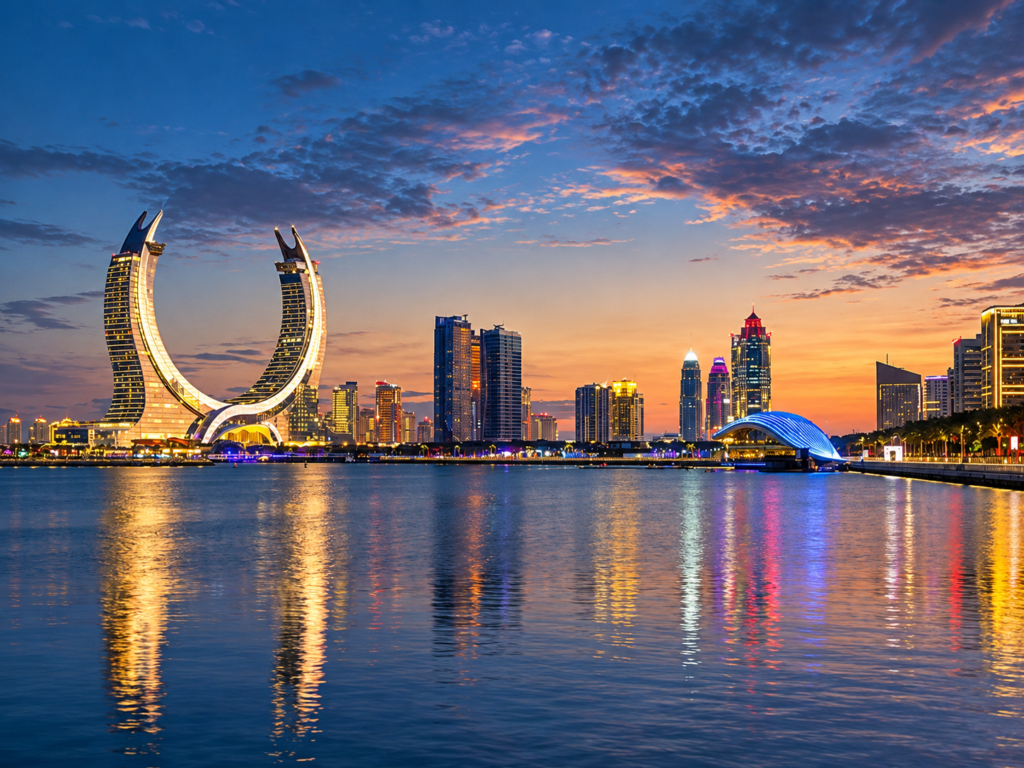
Qatar has long invested in the development of its economy around the industry of energy. However, there is another front of development which is currently enjoying increasing attention in the country: technology. Qatar has been investing more into its digital infrastructure, artificial intelligence, cybersecurity, cloud services and technology startups over the past couple of years. Not only are they looking to attract more technology companies to the Qatari market, but they are also looking to evolve various industry sectors through increased technology adoption. This presents opportunities not only for local businesses, but also international companies which are looking to enter the Qatari market. Technology Is Becoming Part of the Greater Economy One of the interesting elements of Qatar’s digital transformation is that they are not only looking to develop the technology industry, but also other elements of their economy through the adoption of more digital technologies. Technology is becoming a facilitator in the financial, healthcare, logistics, educational, tourism and various other sectors. Companies in these industries are looking to become more efficient in their data-centric operations, connect with clients in new ways and take advantage of new automated services. It is in this space that the value proposition of Qatar’s digital transformation is also extremely interesting. Their Digital Agenda 2030 focuses on digital infrastructure, innovation, adoption and skills. Essentially, they are looking to diversify their investment in technology beyond the technology sector. AI Is Becoming a Tool For Everyday Business While artificial intelligence has long been thought of as a future tool for everyday business, companies are starting to ask themselves what AI can bring to their business operations. In Qatar, AI is finding its way into everyday business operations as companies look to take advantage of its data analytics capabilities. The same Digital Agenda 2030 programme also mentions AI and data analytics as one of their key areas of investment, along with cloud services and cybersecurity. This presents opportunities for companies which are able to provide practical applications of AI and data analytics for businesses. In the race to harness the power of AI to transform operations and become more competitive, companies are looking to partners who can address their specific needs. A business does not need an elaborate AI system; they may instead need assistance with customer service, data analytics or automation of specific processes. The company which is able to provide a solution to a particular need may see more success over one offering a generic AI platform with no clear application. The Infrastructure Behind the Digital Economy While AI tends to garner more of the attention, it could be argued that none of it would be possible without the underlying technology infrastructure. With companies relying on cloud services, data centres and more internet-connected systems, the need for reliable network infrastructure, cybersecurity and other related services are increasing. Qatar is investing in these areas as part of their overall digital transformation strategy, which creates opportunities for companies in the cloud services and enterprise technology space. However, it also presents an opportunity for another type of business. Many companies are not interested in becoming technology companies. Instead, they want to ensure that they are using the best technologies available to streamline operations and optimise their business processes. This could involve an overhaul of their business systems. This could mean adopting new digital infrastructures, such as migrating to the cloud or implementing additional IT security measures. Essentially, these companies need assistance with optimisation of their technology ecosystems. Startups Are Becoming Another Area of Growth Technology startups represent another interesting area of growth, as they tend to serve as facilitators for the digital transformation being driven by Qatar. Startup Qatar offers support for local entrepreneurs, ranging from information and funding to programmes and other resources, in an effort to empower them and connect them with the right opportunities. International events are also becoming valuable tools to promote Qatar as a technology-friendly country. Web Summit Qatar 2026 attracted more than 30,000 attendees from 127 countries, including startups and investors from around the world. The event also facilitated a number of partnerships between local and international technology companies. For startups, the value of entering the Qatari market goes beyond funding. While investment opportunities are certainly valuable, the connections which can be made at local events could also provide valuable insight for emerging companies. Technology Opportunities Are Not Limited to Tech Companies This may very well be the most valuable point for companies looking to enter the Qatari market. They do not have to be a technology company to take advantage of the growing demand for technology. A logistics company may need better supply chain solutions. A financial business may want to invest in better cybersecurity solutions. Hospitals may want to adopt better digital solutions. Retailers may want to learn how to better utilise technology to engage their customers. All of these are examples of businesses which would benefit from the adoption of technology to solve specific problems or inefficiencies. This is why the opportunities in Qatar’s technology-savvy economy stretches well beyond the technology sector itself. Why International Companies Are Paying Attention Qatar is also making efforts to attract international technology companies. Current investment initiatives tend to focus on artificial intelligence, cloud services, cybersecurity and other related sectors. There are also programmes which aim to facilitate connections between international investors and local technology companies. For an international company, the value proposition of Qatar is not only in the local market that they can address, but also as a region where they can establish themselves and explore nearby investment opportunities. Of course, entering a new market will always require research and due diligence on the part of companies. It is important to understand the regulatory, consumer and competitive landscape of the market before making any commitments. What Businesses Should Be Looking For The opportunities in Qatar will take many forms for different companies. A startup may be looking for investment and support. An established technology company may be looking to establish itself in
Commercial Disputes: Arbitration as the Preferred Resolution Method
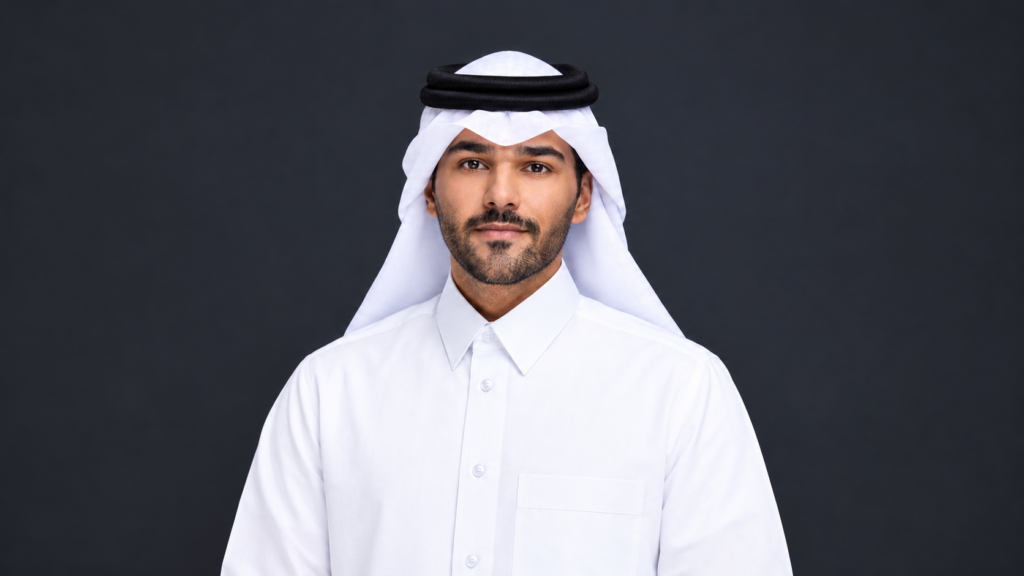
In today’s global business environment, the success of major commercial transactions depends not only on how negotiations are conducted, but also on the dispute-resolution strategy agreed before any dispute arises. For entities managing corporate exits, executing FIDIC-governed construction projects, or entering into cross-border SaaS licensing agreements, the choice of forum is a strategic decision. Commercial arbitration offers confidentiality, procedural efficiency, and international enforceability, without reliance on bilateral judicial cooperation treaties, writes Yousif Al-Abdulghani”. THE ADVANTAGES OF ARBITRATION National courts play a fundamental role in the administration of justice and continue to develop specialised expertise in commercial matters. Arbitration nonetheless offers distinct advantages that complement the court system: parties may choose arbitrators with specific industry knowledge, control the procedure itself, including language, timeframes, and venue, and keep hearings and awards confidential, safeguarding trade secrets and sensitive financial information from disclosure. QATAR’S ARBITRATION FRAMEWORK Qatar has established a strong regional model through Law No. (2) of 2017 Promulgating the Civil and Commercial Arbitration Law, based on the UNCITRAL Model Law. The Law confirms that an arbitration clause survives even if the underlying contract is invalid and empowers tribunals to order interim measures to preserve assets pending resolution of the dispute. It is supported by leading institutions: the Qatar International Center for Conciliation and Arbitration (QICCA), which offers integrated digital case management, and the Qatar International Court and Dispute Resolution Centre (QICDRC), which combines international judges with advanced case-management technology. INTERNATIONAL ENFORCEABILITY OF ARBITRAL AWARDS Under the 1958 New York Convention, to which more than 170 states, including Qatar, are party, arbitral awards enjoy broader international enforceability than national court judgments. An award rendered in Qatar may be enforced against a counterparty’s assets in most jurisdictions worldwide, subject only to limited grounds for refusal. DRAFTING RECOMMENDATIONS Boilerplate arbitration clauses often give rise to procedural difficulties. A well-drafted clause should define the scope of disputes covered, designate the chosen institution and rules, such as QICCA or the ICC, and specify the language and seat of arbitration, since the seat determines the governing procedural law. A PREVENTIVE INVESTMENT Such a clause is a preventive investment that protects the business, and limits disruption should a dispute arise. Companies should engage experienced counsel to draft these clauses. Yousif Al-Abdulghani is a Licensed Attorney and Senior Legal Counsel with over 20 years’ experience in the State of Qatar, advising government entities and multinational companies on corporate and commercial law, construction, employment, and dispute resolution. Before founding the Firm, he served as Legal Counsel at the Qatar Free Zones Authority and as Secretary to the Board of Directors of Doha Venture Capital. Earlier, he worked with QatarEnergy LNG on large-scale energy and infrastructure projects.
Decisions Around Spectrum, Research, Standards on 6G Are Need of the Hour
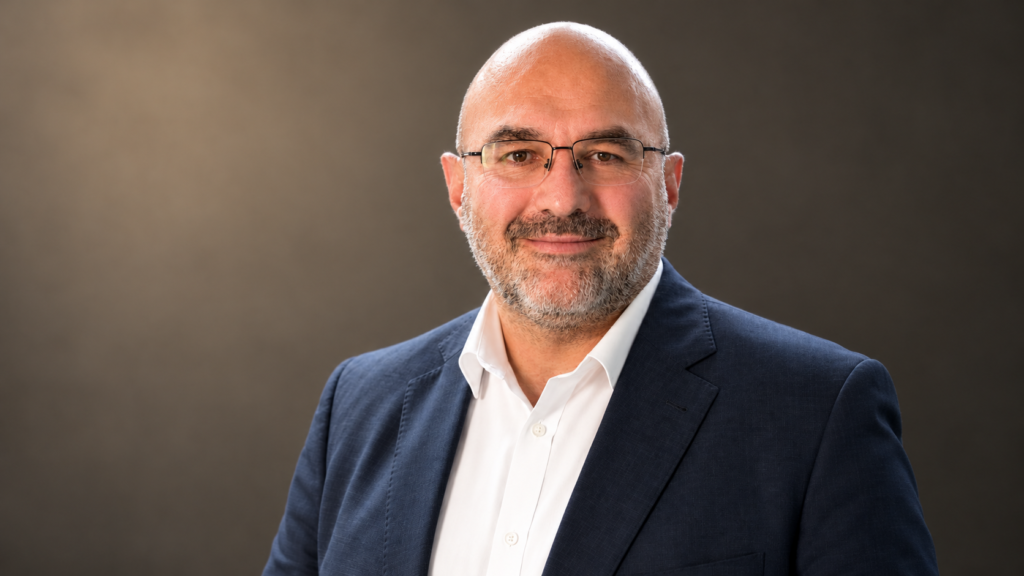
Jawad Jalal Abbassi, head of MENA, GSMA sheds light on future networks and technology programmes that GSMA MENA is working on and with, how Artificial Intelligence is shaping the future networks, how the GSMA ensures sustainable investments in mobile broadband networks and the roadmap ahead for GSMA. By Aparajita Mukherjee “WITH THE VOLUME OF DATA GENERATED ACROSS MODERN NETWORKS, IT IS BECOMING INCREASINGLY DIFFICULT TO MANAGE EVERYTHING THROUGH TRADITIONAL PROCESSES ALONE. AI CAN HELP OPERATORS IDENTIFY PATTERNS MUCH EARLIER, ANTICIPATE FAULTS, FORECAST DEMAND AND OPTIMISE NETWORK CONFIGURATION AND ENERGY USE.” “THE GCC HAS MOVED QUICKLY ON 5G, WITH NEARLY HALF OF MOBILE CONNECTIONS NOW ON 5G. THE NEXT PHASE IS ABOUT EXTENDING THAT CAPABILITY INTO LOGISTICS, UTILITIES, MANUFACTURING, SMART INFRASTRUCTURE AND PUBLIC SERVICES.“ That means continuing the evolution towards 5G Standalone and 5G-Advanced, while building the enterprise capabilities and partnerships needed to turn advanced connectivity into services that businesses can actually use.” FUTURE NETWORKS AND TECHNOLOGY PROGRAMMES UNDER GSMA Abbassi is unequivocal when he says that he would start with the fact that technology deployment is no longer the most interesting question on its own. The more important question is what we can do with that technology once it is there. The GCC has moved quickly on 5G, with nearly half of mobile connections now on 5G. The next phase is about extending that capability into logistics, utilities, manufacturing, smart infrastructure and public services. That means continuing the evolution towards 5G Standalone and 5G-Advanced, while building the enterprise capabilities and partnerships needed to turn advanced connectivity into services that businesses can actually use. “At the same time, we have to look further ahead. Work on 6G is already beginning globally, which means decisions around spectrum, research and standards cannot wait until commercial deployment is around the corner. MENA should be part of those discussions early and bring the experience of this region into them,” asserts Abbassi. A lot of GSMA’s work also sits around the technologies that make this wider ecosystem function, according to Abbassi. “That includes IoT and eSIM specifications for connecting and managing devices at scale, GSMA Open Gateway for standardised access to network capabilities, and work around responsible AI, skills and digital inclusion. Our five-year GSMA Advance partnership with Qatar’s Ministry of Communications and Information Technology to support the Qatar Digital Academy is one example of how technology development and capability-building need to move together. MWC26 Doha will provide another opportunity to bring these conversations together and connect the region’s experience with the wider global industry,” says Abbassi. The measure of progress is not how many new technologies we deploy, but whether they improve productivity, resilience and access in ways that can be sustained, opines Abbassi. AI SHAPING FUTURE NETWORKS AI is already changing how operators make decisions about their networks. With the volume of data generated across modern networks, it is becoming increasingly difficult to manage everything through traditional processes alone. AI can help operators identify patterns much earlier, anticipate faults, forecast demand and optimise network configuration and energy use. “What interests me is the shift from reacting to network conditions to anticipating them. If an operator can identify where congestion is likely to emerge, where equipment may need maintenance or where energy is being used inefficiently before it becomes a problem, that changes both network performance and the economics of running it. As networks become more complex, that capability becomes increasingly valuable,” explains Abbassi. “At the same time, the relationship works in both directions: AI is changing networks, but the growth of AI across industries will also change what we need from those networks, from supporting time-sensitive industrial applications to handling greater demand for computing, edge capabilities and secure connectivity,” adds Abbassi. There is a wider commercial opportunity here as well. MENA operators are investing in data centres, cloud platforms and AI infrastructure, which creates opportunities to support businesses adopting AI rather than simply using it internally. That could include computing infrastructure, secure data services and industry-specific solutions across sectors such as energy, manufacturing, transport and healthcare. Operators do not need to own every part of the AI value chain, but they should be clear about where their infrastructure, scale and customer relationships give them an advantage. Of course, the fundamentals still have to keep pace, according to Abbassi. AI depends on reliable networks, computing capacity, skilled people, strong cybersecurity and responsible data use, and in a region as diverse as MENA, we also need to think about language and accessibility as adoption grows. It’s critical that we do not treat AI as a separate technology layer that we simply add to the network. “It will increasingly influence how networks are planned, operated and invested in, while also creating new demands and opportunities on top of them. The operators that get the most from it will be those that connect AI to real operational and commercial decisions, rather than measuring progress by the number of AI projects they launch,” attests Abbassi. MAIN DEVELOPMENT PARADIGMS IN THE DOMAIN OF INTERNET OF THINGS (IOT) The biggest change in IoT is that we have moved well beyond simply asking how many devices can be connected, says Abbassi, adding, “The question now is what type of connectivity a device actually needs and what outcome that connection is supposed to deliver. An industrial sensor operating for years on limited power has very different requirements from a connected vehicle or a piece of mission-critical equipment. That is why we are seeing a broader mix of technologies, including private networks, 5G-Advanced and RedCap, alongside cloud and edge computing.” At the same time, scale brings a different set of challenges, informs Abbassi. “Connecting ten devices is relatively straightforward; securely provisioning, updating and managing thousands or millions throughout their lifecycle is not. This is where common specifications, eSIM, interoperability and security become critical,” explains Abbassi. “Around 86 percent of MENA operators already offer IoT services, while licensed IoT connections globally are forecast to increase from 2.5 billion in 2022 to 5.3 billion by