

“It takes time to make a champion”: Robert Brozin to Gen Z
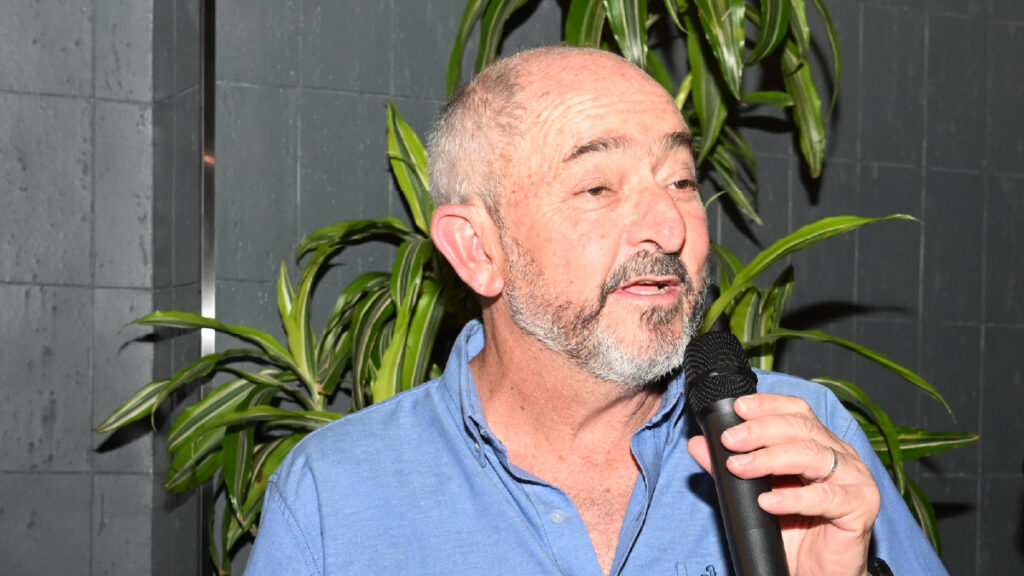
If Nando’s has one apt descriptor, it’s this: it’s changed the way people think about chicken. And this comes from none other than its co-founder Robert (Robbie) Brozin who wrote a note on LinkedIn nine years back. As son of a businessman, Brozin could take the comfort route of staying on in his father’s business but chose an entrepreneurial path instead. The rest is history, as they say. Nando’s welcomed its co-founder and brand champion, Robbie Brozin, for an exclusive media meet-up at the Salwa Road Casa (Home in Portuguese) — the first Nando’s to open in May 2001, now celebrating over 23 years of serving their world-famous PERi-PERi chicken in Qatar and we caught up with Brozin for a casual chat. Here’s what he had to say! Q: Why did you choose entrepreneurship over your dad’s business? Brozin: Entrepreneurship came quite naturally to me…and the Industry my father was in, was taking some strain, with consolidation happening and I felt uncomfortable in it. Q: With over 1,000 Nando’s restaurants worldwide, what are three lessons that apply across sectors? Brozin:1. Find the right local partner who understands the Region you are operating in;2. Keep the fundamentals of the menu the same, but localize the side items and add some local dishes;3. Keep the values and the purpose high on the agenda , never mind the country or region you are operating in. Q: If given a chance, what would you do differently? Brozin: Have a deeper respect for the “Suits” the finance people. In the early days we never listened to them enough. Q: One piece of advice for Gen Z. Brozin: It takes time to make a champion. Q: If you could time travel, where would you go and why? Brozin: To the year 2030…we’ve got an exiting five-year plan, and I’d like to see how it holds out, while I’m still young enough to appreciate and change a few things.
From a board role to a CEO: Dr. Iyabo Tinubu-Karch’s seemingly effortless transition
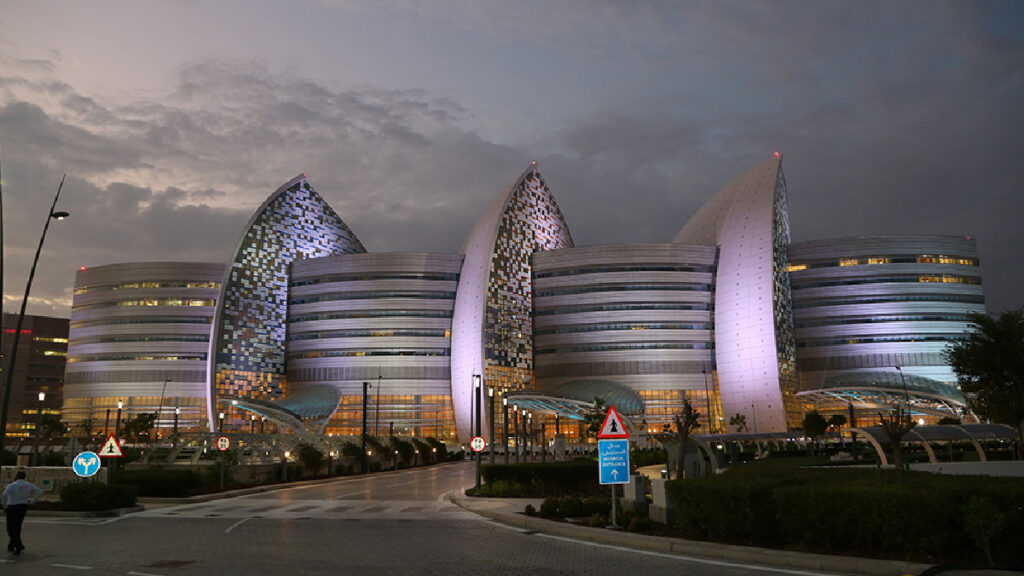
Dr Iyabo Tinubu-Karch, CEO, Sidra Medicine is no stranger to the world of decision-making while being a medical professional. In a candid conversation, Dr Tinubu-Karch talks about the transition to a CEO and the values it demanded inculcated in her, apart from the role technology plays in diagnostics today. “Technology is the cornerstone of our ability to expand and enhance our clinical services, ensuring we provide exceptional care for women and children.“ “Stepping from the boardroom into the CEO role has been an incredible journey. While my board role focused on strategic oversight and high-level decisions, my current position has immersed me in the daily operations of Sidra Medicine. This deeper involvement has provided invaluable insights into the challenges and opportunities we face, which allows me to ensure our teams have the necessary resources to excel in patient care, research, and education,” says Dr Iyabo Tinubu-Karch, CEO, Sidra Medicine. One of the biggest shifts for Dr Tinubu-Karch has been getting to know the people on a deeper level. Witnessing their commitment firsthand is truly inspiring and reinforces her responsibility to foster a collaborative and inclusive work environment, according to Dr Tinubu-Karch, who actively seeks input from diverse perspectives within the organisation, believing as she does that this collective wisdom leads to more informed and effective decision-making. “Healthcare is a dynamic field. As CEO, I need to make sure that we as an institution are agile and adaptable. This means being committed to nurturing a culture of innovation and continuous improvement. By embracing change and fostering a growth mindset, we can ensure that Sidra Medicine remains at the forefront of women’s and children’s healthcare,” informs Dr Tinubu-Karch. On the role that technology plays in advancing clinical care at Sidra Medicine, Dr Tinubu-Karch is forceful about Sidra Medicine’s commitment to embracing the latest technological advancements based as it is on the belief that advanced technology is essential for the institution to remain a leader in patient care, adding, “Technology is the cornerstone of our ability to expand and enhance our clinical services, ensuring we provide exceptional care for women and children.” Dr Tinubu-Karch adds that Sidra Medicine has become a regional pioneer in gene therapy, harnessing the power of technology to revolutionise treatment options for genetic diseases. Our administration of Elevidys for Duchenne Muscular Dystrophy (DMD) and our unique position as the sole provider of gene therapy for Spinal Muscular Atrophy (SMA) in Qatar exemplify this commitment. How has Dr Tinubu-Karch’s background in geriatric medicine shaped your approach to healthcare leadership? Dr Tinubu-Karch informs that her background in geriatric medicine has profoundly influenced her approach to healthcare leadership. She details, “In geriatrics, you learn to consider not only the immediate medical issues but also the broader context of a patient’s life – how their environment, family support, mental well-being, and social circumstances all influence their health. This perspective is essential for providing compassionate, effective care, and it informs how I lead a multidisciplinary team, with a collaborative agenda at a healthcare institution like Sidra Medicine.” Geriatric medicine, Dr Tinubu-Karch adds, emphasises long-term health and quality of life, not just treating immediate symptoms. “This philosophy is central to Sidra Medicine’s approach. We’re not only focused on acute interventions but also on providing sustainable, comprehensive care that supports the overall well-being of our patients and their families. My background has instilled in me a deep respect for the continuity of care, which we strive to deliver at every stage of a patient’s journey here,” says Dr Tinubu-Karch. Innovations in healthcare At Sidra Medicine, innovation is at the heart of our mission to provide exceptional care for children and women. Dr Tinubu-Karch talks about several ways in which Sidra Medicine is constantly striving to achieve new milestones and push the boundaries of healthcare through several key initiatives. One key area is our Clinical Trials Program, which focuses on trials directly benefiting children in the Arab region, informs Dr Tinubu-Karch. The trials could offer children the chance to receive beneficial treatment whether it is a new drug, therapy, device or procedure before it becomes widely available, she says, adding, “Our programme addresses the historical lack of research for the Arab population, enabling us to develop personalised and effective treatments.” In tandem, Sidra Medicine has also established the first pediatric hematopoietic stem cell transplant (HSCT) programme in Qatar, in partnership with the Children’s Hospital of Philadelphia. “Additionally, our precision medicine initiatives leverage genomic data to personalise care plans, using advanced technologies such as Whole Genome Sequencing (WGS) to identify disease-linked genetic variations and Zebrafish Functional Genomics Facility for rapid gene mutation identification. We are strategically integrating Artificial Intelligence (AI) into our operations to empower our patients and optimise our workflow. Global healthcare trends in women’s and children’s health
Qatari AI market projected to reach US$28.04m in 2024

Qatar is in the throes of huge inter-sectoral investments and programmes on artificial intelligence (AI) spanning information technology, telecom, education, venture capital, healthcare, energy and finance with Qatar government’s US$2.5 billion investment in data and AI, outlining its ambition to generate US$11 billion for the national economy and creating 26,000 jobs. While the market size in the AI market is projected to reach US$428.40 million in 2024 with an annual growth rate (CAGR 2024-2030) of 28.66 percent, resulting in a market volume of US$1,943.00 million by 2030, the national investment of US$2.5 billion is tipped to create 26,000 jobs in the country. These data were released by a joint report by Invest Qatar and global consulting firm Accenture at the inaugural World Summit AI – Qatar 2024. The report has furthered that with the thrust on Qatar is aiming to rank among the top 10 globally on the Digital Competitiveness Index by 2023. This investment swing – with active collaboration between the private and the public sectors on transformative initiatives – in AI is Qatar’s push to move its economy away from its over-reliance on hydrocarbons which, according to the International Trade Administration, “has consistently contributed to over 70 percent of the government of Qatar’s total revenues since 2014, as well as over 80 percent of Qatar’s total exports”. Qatar also ranks first in the Gulf Cooperation Council (GCC) for digital governance and mobile internet speeds, supported by Microsoft Azure and Google Cloud, with the launch of AI-specific education programmes and research initiatives, aiming to increase the percentage of highly skilled workers to over 46 percent by 2030. The bedrock laid out by Qatar National Vision 2030 Today’s AI thrust has been a gradual journey that started with the Qatar National Vision 2030 which aimed to create “an advanced society capable of sustaining its development and providing a high standard of living for its people”, a step further taken by the National AI Strategy that was launched in 2019, providing a comprehensive understanding of AI’s pivotal role in shaping the 21st century. The Ministry of Communications and Information Technology (MCIT) has tirelessly championed an environment conducive to AI innovation, resulting in a flourishing landscape. Numbers talk, and they predict annual growth of 17.4 percent, propelling Qatar’s AI market to an estimated US$58.8 million by 2026. What is AI? AI, a branch of computer science, focuses on creating machines able to perform tasks traditionally requiring human intelligence, and includes a wide range of applications, such as speech recognition, image processing, and autonomous vehicles and has seen rapid growth in recent years due to advancements in technology and increased investment. The AI market includes software, hardware, and services that enable organisations to develop and deploy applications and the market is structured into six sub-markets based on the technology: Source: https://www.statista.com/outlook/tmo/artificial-intelligence/qatar
His Highness the Amir Appoints New Director General of Hamad Medical Corporation
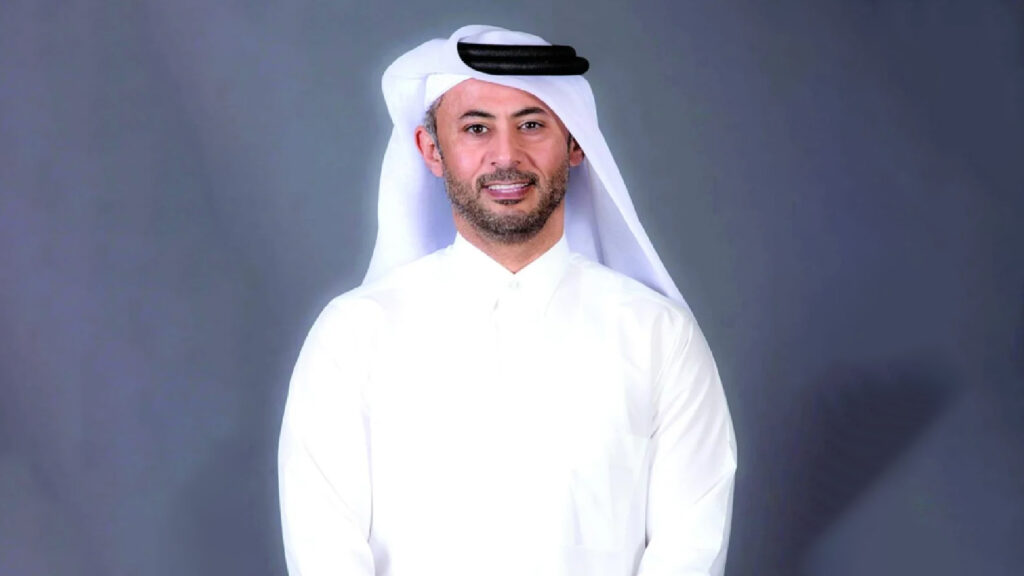
DOHA – His Highness the Amir Sheikh Tamim bin Hamad Al Thani issued Amiri Decision No. (71) of 2024 today, appointing His Excellency Mohammed bin Khalifa bin Mohammed Al Suwaidi as the new Director General of Hamad Medical Corporation (HMC). The decision takes effect immediately from the date of issuance and mandates its publication in the Official Gazette. HE Al Suwaidi’s appointment as Director General reflects Qatar’s commitment to advancing the nation’s healthcare sector, ensuring high standards of service and innovation in line with the country’s national vision. Hamad Medical Corporation, Qatar’s leading provider of secondary and tertiary healthcare, is set to benefit from his leadership as it continues to develop its infrastructure, services, and clinical care to meet the healthcare needs of Qatar’s growing population. The official decree reaffirms Qatar’s ongoing efforts to enhance healthcare governance and expand its high-quality medical services for the welfare of its citizens and residents.
Qatari financial consultant ‘helps women achieve financial independence’
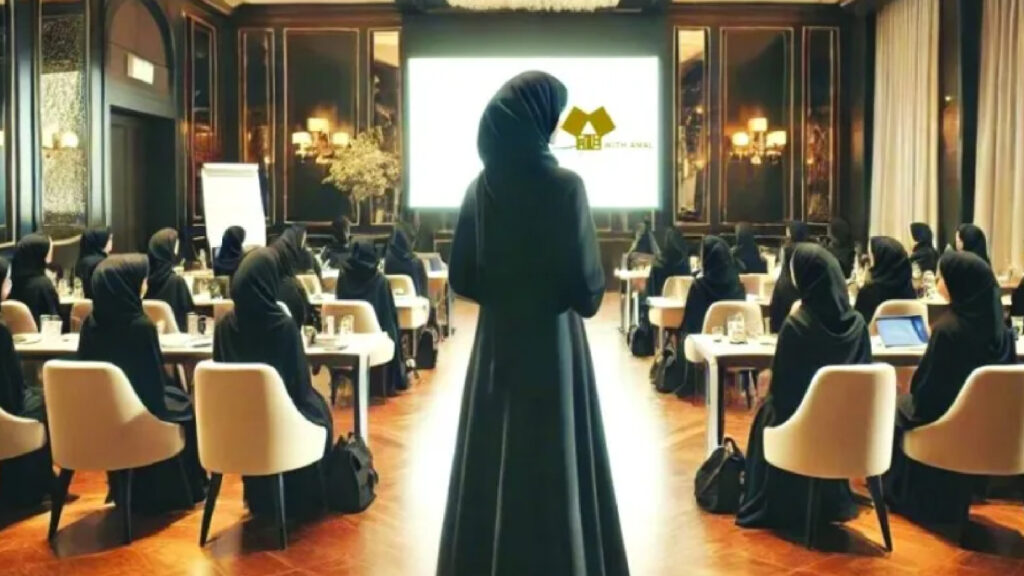
Qatari Financial Coach Amal al-Kuwari Empowers Women with Wealth-Building and Financial Literacy DOHA – Amal bint Ali al-Kuwari, a graduate of Qatar University and recipient of the prestigious Amir Sheikh Tamim bin Hamad al-Thani Gold Medal for academic excellence, is making waves in Qatar’s financial sector. As a certified financial consultant and coach, al-Kuwari has embarked on a mission to empower women across the Arab world with financial literacy and wealth-building skills. In an exclusive interview with Gulf Times, al-Kuwari shared her vision for breaking financial taboos and guiding women toward economic independence. “My specialization is quite unique in Qatar,” she explained, “and it will help normalize discussions about money—a traditionally taboo topic here—while spreading financial literacy. I chose to work specifically with women as they are the pillars of our society, whether as mothers, sisters, or daughters.” Al-Kuwari’s unique approach combines practical financial planning with mindset development, aimed at creating lasting behavior change. She has quickly built a client base that includes doctors, high-profile VIPs, and HR experts, demonstrating her broad appeal and impact. Her methods, she says, are personal and culturally relevant, incorporating psychological insights and tailored investment strategies that help women achieve financial independence. Her process is thorough: each client completes a pre-session questionnaire to identify financial habits and goals, followed by personalized coaching sessions. With her guidance, clients receive individualized financial plans to cultivate good money habits, build savings, invest wisely, and even prepare for retirement. Al-Kuwari holds both in-person and virtual sessions, allowing her to extend her reach to clients in Qatar, the UAE, Kuwait, and Saudi Arabia. “I want to help women develop a healthy relationship with money,” al-Kuwari said, “and that means understanding money psychology, making informed investment choices, and applying wealth-building techniques.” Her programs, offered in Arabic and English, provide easy-to-follow, accessible guidance designed for Arab women. In a culture where financial discussions have often been sensitive, al-Kuwari’s initiatives mark a significant shift. “My goal is to inspire a lasting transformation,” she said, underscoring her commitment to guiding women in taking control of their financial futures with confidence and skill.
Qatar praised by UNHRC, recommended labour improvements
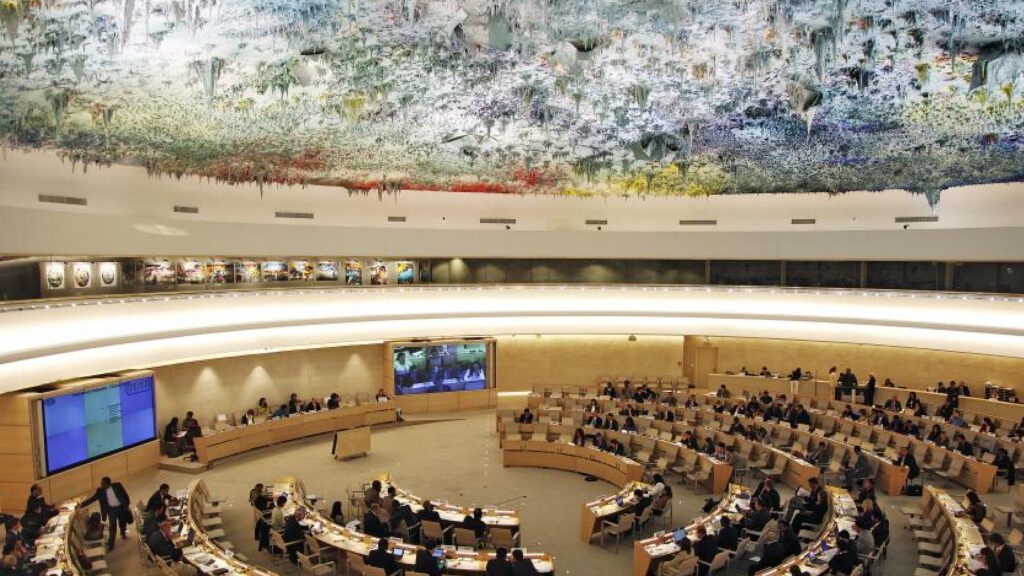
DOHA – Qatar received recognition and constructive feedback at the United Nations Human Rights Council (UNHRC) in Geneva during its first five-yearly review, with particular praise for recent labour reforms introduced ahead of the FIFA World Cup 2022. Qatar’s permanent representative to the UN, Hend Abdulrahman Al Muftah, highlighted reforms that have transformed Qatar’s labour laws. These include the establishment of a minimum wage, reforms allowing workers greater freedom to change employers, and measures to combat forced labour and human trafficking. Al Muftah expressed Qatar’s deep appreciation for migrant workers, calling them “true partners” in the nation’s development. Participating countries offered recommendations to continue advancing labour protections. France encouraged Qatar to bolster the implementation of its labour reforms, while Sierra Leone advised further dismantling the remnants of the sponsorship system, or ‘Kafala’. Representatives from the Netherlands commended Qatar for its legislative advancements, while underscoring the need for stronger enforcement. Additionally, Qatar’s role in advancing women’s rights was discussed, with Al Muftah noting that 120 Qatari women now serve in diplomatic roles. Topics concerning divorce, custody, and the male guardianship system were raised by representatives from Sweden and Iceland, while Norway advocated for greater press freedom, urging Qatar to protect civil society, human rights defenders, and journalists. Al Muftah acknowledged Qatar’s rise to 84th place in the Reporters Without Borders’ press freedom index and reiterated Qatar’s commitment to ensuring safe, empowered spaces for civil society. In a closing statement, Nasser Ali Al Khater, representing Qatar’s Minister of Sports, underscored the unifying power of sports, saying, “Qatar shall continue its efforts in the field of sport and empowerment,” adding that the World Cup served as an important bridge between diverse communities. Landmark Labour ReformsQatar’s labour reforms introduced a minimum wage of QAR 1,000 monthly across all sectors, including domestic work, with additional allowances for food and accommodation. Workers are also no longer required to obtain No-Objection Certificates (NOCs) to change employers. In 2018, the Workers’ Support and Insurance Fund was established to protect workers facing unpaid wages. Labour Dispute Resolution Committees now ensure that cases are resolved within three weeks, and in partnership with the International Labour Organization (ILO), Qatar has strengthened access to justice for migrant workers. This year, the ILO renewed its cooperation with Qatar for an additional four years to expand recent reforms. During 2023, over 153,000 workers successfully transitioned to new employers, a milestone marking Qatar’s ongoing commitment to workers’ rights.