

Consulting HAUS Guides Snoonu Through Landmark $245M Acquisition, Marking Qatar’s First Billion-Riyal Tech Exit
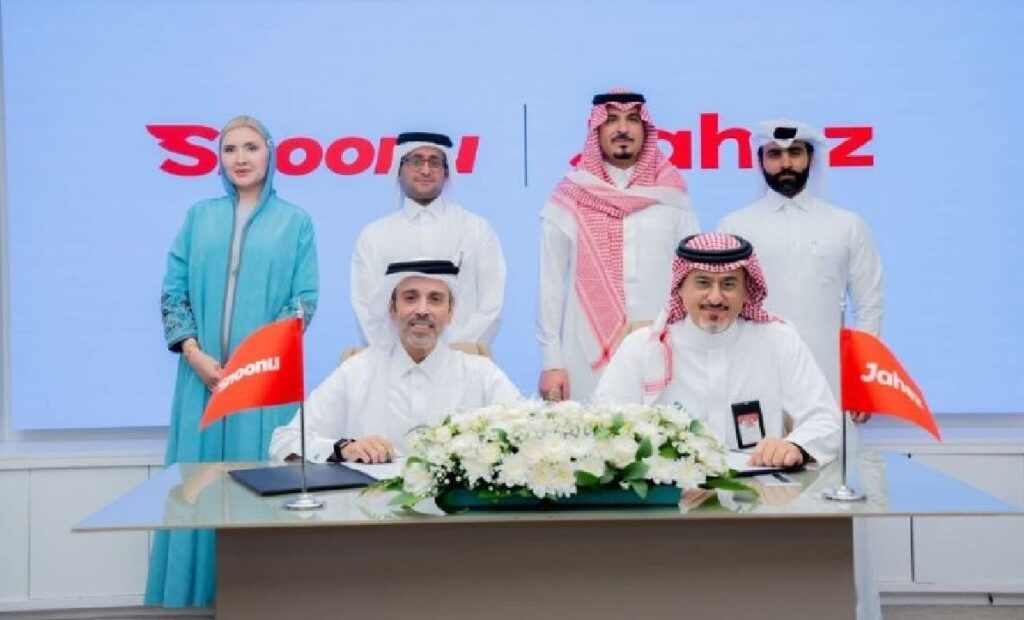
Qatar’s technology and startup ecosystem reached a historic milestone as Snoonu was acquired by Jahez Group in a $245 million transaction, valuing the Doha-born platform at over QAR 1 billion. The deal represents Qatar’s first billion-riyal technology exit and one of the largest private capital infusions in the country’s history. At the centre of this landmark transaction was Consulting HAUS, which acted as exclusive sell-side advisor to Snoonu. The firm played a pivotal role in positioning the company for acquisition, safeguarding shareholder value, and securing favourable terms that reflected Snoonu’s rapid growth and regional ambitions. A Milestone for Qatar’s Tech Ecosystem The acquisition is widely viewed as a breakthrough moment for Qatar’s innovation landscape, signalling the maturity of its startup ecosystem and its growing relevance within the wider GCC technology market. By achieving a billion-riyal valuation, Snoonu has set a powerful precedent for local founders, investors, and emerging tech companies looking to scale beyond national borders. Consulting HAUS began its advisory mandate nearly a year before the transaction’s close, laying the groundwork through detailed business planning, operational readiness, and strategic positioning. This early-stage preparation proved critical in reducing friction during negotiations and ensuring the company entered the transaction process from a position of strength. Strategic Advisory at Every Stage Throughout the deal, Consulting HAUS led transaction execution, working closely with buy-side advisors, legal teams, and auditors. Its role spanned valuation strategy, deal structuring, due diligence coordination, and negotiation support—ensuring transparency, alignment among stakeholders, and disciplined project management at every stage. Commenting on the achievement, Laith Dajani, Managing Partner at Consulting HAUS, said the transaction demonstrates the importance of professional advisory in enabling successful cross-border GCC deals and highlights Qatar’s emergence as a hub for technology innovation. From Snoonu’s perspective, the acquisition represents both scale and continuity. Hamad Al Hajri, CEO of Snoonu, noted that the partnership with Jahez Group brings new investment and regional momentum, while allowing the company to remain anchored in Qatar’s values, vision, and talent base. Setting a New Benchmark Backed by a leadership team with more than 100 years of combined experience, Consulting HAUS continues to play a central role in advancing high-impact transactions across the GCC. Over the past seven years, the firm has delivered multiple landmark projects that support economic diversification, private-sector growth, and cross-border investment. The Snoonu–Jahez transaction now stands as a benchmark deal—not only for Qatar’s tech sector, but for the broader regional startup and M&A landscape—demonstrating what is possible when innovation, ambition, and strategic advisory converge.
Samla International Race 2026: A World-Class Endurance Challenge in Qatar
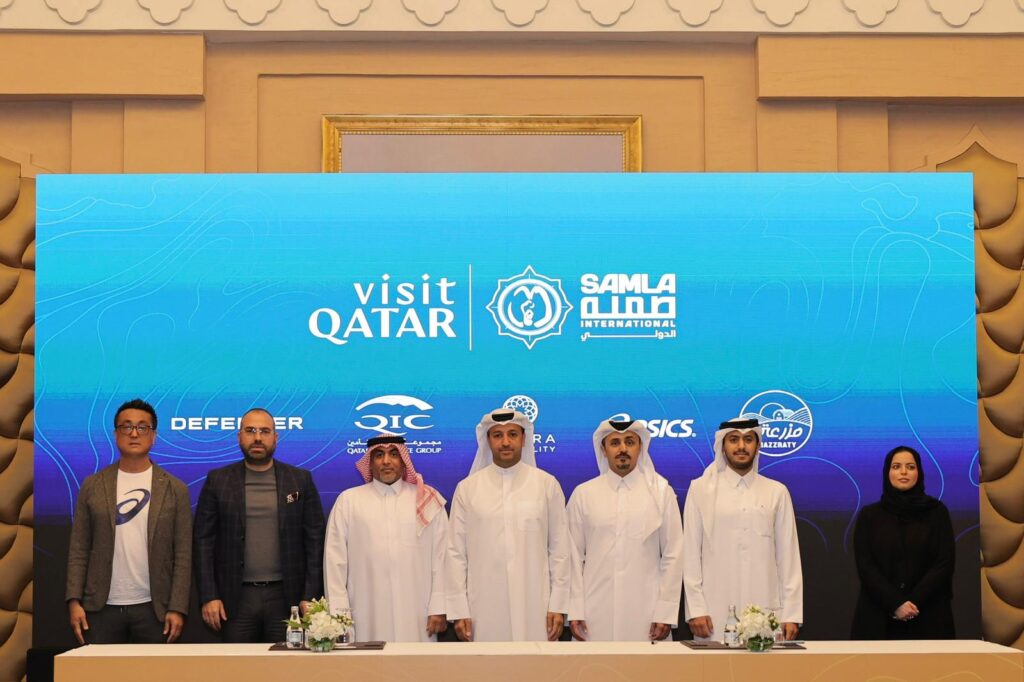
The Samla International Race is set to make history with its upcoming edition on 24 January 2026, marking a significant evolution as the race expands onto the global stage. Recognised for its intensity, innovation, and multi-discipline format, Samla has become one of the most distinctive endurance races in the region—firmly positioning Qatar as a hub for elite sporting events and sports tourism. Strategic Partnerships Driving Excellence Ahead of the 2026 edition, the Samla International Race secured a series of strategic partnerships with leading local and global organisations. These include Katara Hospitality, Qatar Insurance Group, Defender – Al Fardan, Mazzraty, and Red Bull as the official beverage partner. In addition, a landmark partnership was signed with Visit Qatar and ASICS, with ASICS confirmed as the official sportswear partner of the race. These collaborations reflect a shared commitment to delivering a world-class sporting experience—enhancing technical standards, athlete performance, safety, and overall event quality. A Course Designed to Push Limits The Samla International Race is defined by its demanding, multi-stage format. The 2026 course features six consecutive stages, combining endurance, skill, and resilience across Qatar’s diverse landscapes: This unique structure tests competitors across swimming, running, cycling, and kayaking—set against sand dunes, open water, off-road terrain, and challenging climatic conditions. From Local Legacy to Global Stage Established in 2016, Samla was created to support and showcase local athletes. Nearly a decade later, the launch of Samla International marks a pivotal moment in its journey—welcoming elite male and female athletes from around the world to compete in Qatar for the first time. The race not only highlights athletic excellence but also showcases the country’s natural terrain, resilience, and sporting ambition. Strengthening Sports Tourism in Qatar In partnership with Visit Qatar, the Samla International Race plays a strategic role in promoting sports tourism, offering international visitors and residents a distinctive, high-impact sporting experience. The event aligns with Qatar’s broader vision of hosting world-class competitions that combine performance, culture, and destination storytelling. As anticipation builds for January 2026, the Samla International Race stands as a powerful symbol of endurance, collaboration, and global sporting excellence—cementing Qatar’s reputation as a destination for premier international sporting events.
QEWC Rebrands as Nebras Energy, Marking a New Era of Growth in Qatar’s Energy Sector
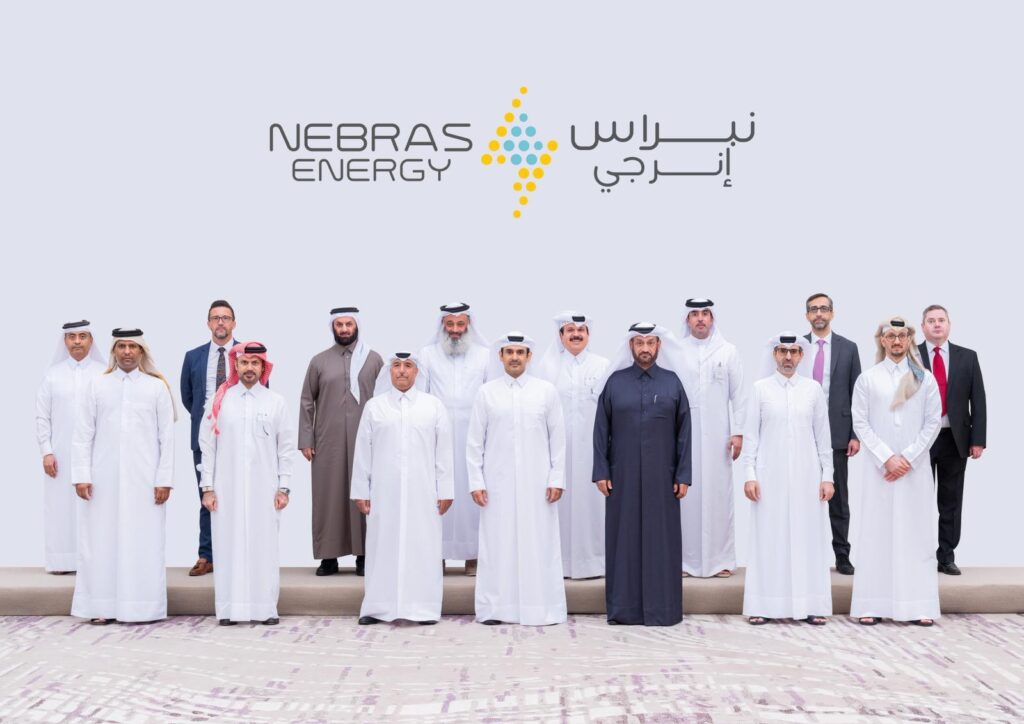
Qatar Electricity & Water Company (QEWC) has officially rebranded as Nebras Energy, signalling a major strategic evolution built on a 35-year legacy of powering Qatar’s electricity and water security and more than a decade of international expansion. Listed on the Qatar Stock Exchange, the transformation represents more than a name change. It reflects a forward-looking vision designed to position Nebras Energy as a more agile, globally oriented energy company while preserving continuity, stability, and stakeholder trust. From National Utility to Global Energy Platform Established by Amiri Decree No. 58 of 1990, QEWC has played a foundational role in supporting Qatar’s rapid economic and social development. Over the past three decades, it has grown into one of the largest power and water utility companies in the MENA region, with a diversified asset base spanning domestic and international markets. Under its new identity, Nebras Energy emerges as a brand that reflects flexibility, resilience, and long-term ambition—aligning with Qatar’s broader energy transition and global investment strategy. Leadership Vision for the Next Chapter Commenting on the rebranding, H.E. Saad Sherida Al-Kaabi, Minister of State for Energy Affairs and Chairman of Nebras Energy, said the company has been a cornerstone of Qatar’s electricity and water security for more than three decades, extending its reach across global markets. He noted that the move to Nebras Energy represents a decisive step toward broader horizons of growth and development, supported by a new visual identity that clearly reflects the company’s future vision. He also praised the leadership, executive management, and employees for their continued commitment to strengthening Qatar’s international energy partnerships and advancing sustainable growth. Ensuring Continuity While Accelerating Growth Marking this pivotal milestone, Managing Director and CEO Mohammed Nasser Al-Hajri emphasised that the rebranding reinforces the company’s core mission while positioning it for long-term success. He highlighted that the transition ensures seamless business continuity, honours all existing commitments, and strengthens the company’s role in advancing Qatar’s electricity and water sector. Strong Assets, Global Reach Nebras Energy’s portfolio in Qatar reflects a robust and diversified production base, supported by joint ventures and Nebras Power, its wholly owned international investment arm. The company’s operational capacity currently stands at: These assets underpin Qatar’s energy and water security while supporting Nebras Energy’s growing international footprint. Governance and Next Steps The company’s new visual identity and rebranding will be presented to shareholders at an Extraordinary General Assembly meeting on 8 January 2026, where final approval will be sought. A Future-Focused Energy Leader As Nebras Energy, the company enters a new chapter aligned with Qatar’s long-term economic and energy objectives—focused on sustainable growth, international investment, and reliable infrastructure delivery. The transformation reinforces Qatar’s position as a trusted global energy partner and highlights how legacy institutions can evolve to meet the demands of a rapidly changing energy landscape.
Qatar Airways Appoints Hamad Ali Al-Khater as New Group Chief Executive Officer, Marking a Strategic Leadership Milestone

In a defining moment for Qatar’s aviation leadership, Qatar Airways Group has announced the appointment of Hamad Ali Al-Khater as its new Group Chief Executive Officer, effective immediately. The appointment signals a renewed strategic direction for the national carrier as it strengthens its global network and continues its legacy of operational excellence. Al-Khater succeeds Engr. Badr Mohammed Al-Meer, who has served the airline group with distinction. Qatar Airways Group extended its appreciation to Al-Meer for his contribution to advancing one of the world’s most awarded airlines. A Proven Leader in Aviation and Energy Prior to joining Qatar Airways Group, Hamad Ali Al-Khater served as Chief Operating Officer of Hamad International Airport (HIA)—one of the fastest-growing and most advanced airports globally. During his tenure, he oversaw: Al-Khater’s leadership at HIA solidified the airport’s reputation as a global hub of innovation and service excellence. Before his aviation career, Al-Khater held several high-impact roles at QatarEnergy, where he led strategic business development, international partnerships, and major operational initiatives—experience that now strengthens his leadership capacity at Qatar Airways. Board Endorsement and National Significance His Excellency Saad Sherida Al-Kaabi, Chairman of Qatar Airways Group Board of Directors, stated: “As we welcome Hamad Ali Al-Khater, we look forward to building on the strong foundations and expansive global network of Qatar Airways. This leadership transition reaffirms our commitment to world-class experiences, operational reliability, and aviation innovation.” Al-Khater now steps into a pivotal role as Qatar Airways advances its position as a global aviation leader and enhances its contribution to Qatar National Vision 2030 through connectivity, tourism growth, and international trade facilitation. A New Era for Qatar’s Flagship Carrier With global travel demand rising and Qatar positioning itself as a central aviation and logistics hub, the newly appointed CEO is expected to: Industry analysts view this appointment as a significant milestone in the airline’s evolution, reinforcing Qatar Airways’ role as a catalyst for economic diversification and global connectivity.
Balancing Economic Vitality With Ecological Resilience
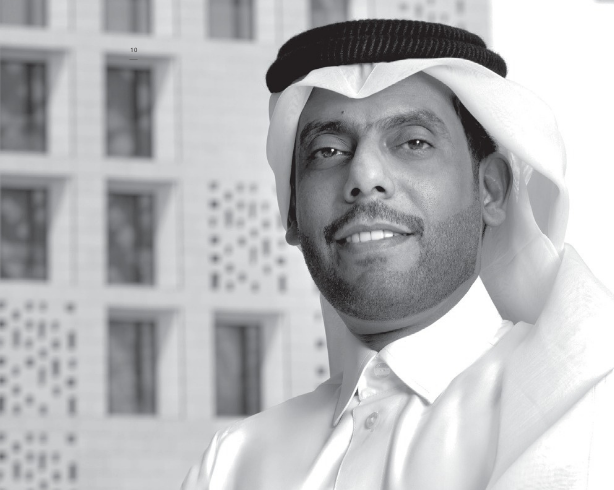
Eng. Ali Al Kuwari, CEO of Msheireb Properties, in conversation with Business Leaders ME, spells out how the urgency of climate action propelled the company’s strategy of sustainability under its credo of innovation by challenging convention and finding new ways for people to live and work in integrated, enriching and sustainable communities.“ demo.mapsily.com With a unique mix of commercial & residential property management, Msheireb has carved out a name for itself in sustainability. What acted as the motivating factor? Al Kuwari: Qatar National Vision 2030 laid the foundation of our approach, which emphasises environmental stewardship and economic diversification. We recognised early that sustainable design isn’t an option but a necessity for resilient urban ecosystems. We believe that cities must evolve to meet future challenges, and we saw an opportunity to redefine urban spaces by merging cultural identity with forward-thinking design. Traditional Qatari elements such as wind towers and courtyards were reimagined using modern technology, ensuring energy efficiency and reduced carbon footprints. This alignment of national goals and architectural innovation positioned us to lead in creating urban ecosystems that honour heritage while advancing sustainability. The urgency of climate action further propelled our strategy. Cities consume over 70 percent of global energy, and we aimed to counter this through projects like Msheireb Downtown Doha. By adopting circular economy principles such as reusing materials, minimising waste, and prioritising renewable energy, we demonstrated that development need not come at the planet’s expense. Our goal was not just to build structures but to inspire a shift in how urban spaces function, balancing economic vitality with ecological resilience. Talk us through the various sustainability initiatives that Msheireb has taken since inception. Al Kuwari: From the outset, our projects were designed to exceed global standards. Msheireb Downtown Doha became the world’s largest LEED-certified community, integrating solar energy, grey water recycling, and energy recovery systems. Buildings use 30 percent less energy through smart shading and IoT-enabled utilities. We also prioritised waste reduction, repurposing 95 percent of construction materials and utilising non-potable water for landscaping. These measures reflect our focus on resource efficiency, ensuring every element of the development contributes to long-term environmental health. Collaboration has been equally critical. Partnerships with organisations such as the Qatar Green Building Council led to programmes such as the Msheireb Green Program, which guides retail tenants in adopting eco-friendly operations. Public engagement initiatives, including workshops and markets, encourage dialogue around sustainability. For example, the recently concluded Earthna Summit 2025, held at Msheireb Downtown Doha, brought together global sustainability leaders to explore the fusion of innovation and traditional knowledge in addressing environmental challenges, while the Earthna Village engaged the public with interactive exhibits showcasing indigenous practices and cultural heritage. What are the growth drivers of the real estate sector in Qatar, given that NDS3 relies expressly on the sector? Al Kuwari: The real estate sector in Qatar is positioned for continued growth, driven by several factors outlined in the Third National Development Strategy. Economic diversification stands as a primary driver – as our country reduces its dependence on hydrocarbons, the real estate sector provides the essential infrastructure needed to support emerging industries and economic clusters. This transformation creates robust demand for commercial spaces, industrial facilities and mixed-use developments that accommodate diverse business activities. Population growth and urbanisation further fuel demand for residential and commercial properties. As more people gravitate toward urban centres, the need for quality housing, office spaces and community facilities increases substantially. At Msheireb Downtown Doha, our flagship project, we’re witnessing this demand first-hand, with commercial occupancy currently exceeding 94 percent, reflecting the district’s appeal to multinational businesses and institutions. Our residential spaces are similarly performing strongly, with occupancy rates surpassing 80 percent, establishing the downtown as a highly sought- after address for both business operations and residential living in Doha. Qatar’s vision to become a premier global tourist destination is also driving significant development in hospitality and leisure real estate, encompassing hotels, resorts and entertainment complexes. Additionally, the expansion of transportation networks, educational institutions and healthcare facilities enhances the appeal of real estate investments, creating opportunities for integrated developments that leverage these amenities to create vibrant, connected communities. What role do you foresee Msheireb Properties playing in the heightened role that the sector is poised to play as per NDS3? Al Kuwari: Msheireb Properties is uniquely positioned to contribute meaningfully to the real estate sector’s enhanced role under NDS3. Our vision to be the pioneering national developer of sustainable and innovative projects inspired by Qatar’s unique heritage aligns perfectly with Qatar’s environmental and cultural ambitions. We will continue to develop and manage projects that incorporate sustainable materials, energy-efficient designs and green spaces that reduce environmental impact whilst creating beautiful, liveable environments. We are actively supporting economic diversification by creating spaces that cater to emerging industries and economic clusters. Our mixed-use developments provide ideal environments for business growth while offering residents convenient access to services and amenities. Msheireb Downtown Doha has rapidly established itself as a preferred destination for major institutions, with companies such as Qatar Airways, IWG, International Media Office, TikTok Studio, Snap Inc., Government Communications Office, Media City, HSBC, Vodafone, Google Cloud, Schneider Electric, and Ernst and Young Qatar, among others, choosing to locate their operations there. Social cohesion represents another area where Msheireb Properties exerts significant influence. Our projects are thoughtfully designed to foster community engagement and cultural pride. By creating spaces that promote meaningful social interaction and provide facilities for cultural activities, we contribute to the cohesive social fabric of our communities. Barahat Msheireb and Msheireb Museums exemplify this approach, having become preferred venues for dialogues and conferences of both local and international significance. Moreover, innovation remains at the heart of our approach. We will continue to embrace cutting- edge technologies and sustainable building practices to deliver high- quality, efficient solutions that meet the demands of modern living and working. Our commitment to innovation means we’re constantly looking forward, seeking new ways to enhance our developments and contribute to Qatar’s vision for the future. With Aqarat coming
Promoting eco-tourism, adventure tourism, and niche cultural experiences to up visitor engagement
Evgeny Kozlov, the first deputy head of the office of the mayor and the government of Moscow and the chairman of the Moscow City Tourism Committee, in conversation with Aparajita Mukherjee talks about the cooperation between Qatar and Russia in the tourism sector, and how that can be furthered in the coming days. BL: Tell us about the tourism relations between Qatar and Moscow. Kozlov: Today, Middle Eastern countries, together with China and India, are the main sources of tourist traffic from non-CIS countries to Moscow. Tourism from the GCC region to Moscow, especially from Qatar, is witnessing remarkable growth. In the first nine months of 2024, approximately 9000 Qatari tourists visited Moscow — three times more than in 2019 — the most successful year for world tourism. This increase is driven by visa-free entry and direct flights. Moscow attracts Middle Eastern tourists with its convenient infrastructure, mild climate, combination of modern comfort and Russian traditions. The city offers cultural experiences, luxury shopping, and business opportunities, making it an attractive destination. Moscow actively promotes tourism through international exhibitions and forums, roadshows and fam tours to Moscow for travel companies. We are confident that these promotional tools will also strengthen our relationship with Qatar and the broader Gulf region. Moreover, the official tourist portal of Moscow — Discover Moscow, available in English, provides valuable guidance for foreign travelers. It features a curated list of attractions and essential information for visitors to the city. To enhance awareness about Moscow, an official Discover Moscow channel was recently launched on Snapchat, where tourists from the Middle East can explore in detail the cultural attractions that the city has to offer. BL: What learnings do you take back from this trip to Qatar? Kozlov: Qatar’s ability to blend modern luxury with deep-rooted cultural traditions is remarkable. The country excels in high-end hospitality, offering world-class hotels, seamless services, and curated experiences for travelers. Its focus on sustainability and innovation in tourism also stands out. Qatar’s investment in large-scale events, such as the FIFA World Cup, highlights the importance of international engagement. This approach offers valuable insights into attracting global audiences while preserving cultural identity. The recent series of business meetings in the Middle East was a comprehensive and highly productive tour that took place from February 4 to 11, 2025. The itinerary spanned key cities such as Dubai, Kuwait City, and Doha. Our meetings included business session with local tourism experts, reinforcing our commitment to deepening bilateral ties. During the meetings in Doha, Qatar, the delegation discussed various strategies to promote cultural exchange and tourism initiatives that could attract more visitors to both destinations. The Committee emphasised the importance of building strong partnerships with Qatari tourism stakeholders, aiming to create joint marketing campaigns and cultural programs that highlight the rich heritage and attractions of both regions. Overall, these meetings have significantly strengthened our connections within the Middle Eastern market, positioning Moscow as a vibrant and secure destination for both leisure and business travel. BL: If you weren’t working in the tourism industry, what would you be doing? Kozlov: The ability to shape international partnerships and promote destinations aligns with my passion for global outreach. I would have pursued a career that combines international relations, business, and cultural exchange. Investment promotion, or strategic consulting would have been natural choices. These fields also allow for engagement with different cultures, fostering economic and social connections on a global scale. BL: If asked for advice by Qatar, what would you say to them to improve tourism in the country? Kozlov: Qatar has already positioned itself as a luxury and cultural destination, but further diversifying tourism experiences could attract a broader audience. Promoting eco-tourism, adventure tourism, and niche cultural experiences can enhance visitor engagement. Strengthening ties with international travel agencies and hosting more global events can also increase visibility. Additionally, simplifying entry processes for more nationalities and expanding direct flight connections to key markets would further boost inbound tourism. BL: What (in your view) can Qatar learn from Moscow in the field of tourism? Kozlov: Moscow successfully attracts diverse tourist segments through cultural festivals, international business forums, and sports events. Moscow, in particular, benefits from major industry exhibitions. Qatar could implement similar strategies, organizing large-scale tourism expos and cultural exchange programs. Additionally, Moscow’s approach to seasonal tourism — such as winter activities in Moscow — demonstrates the value of year-round tourism development. By diversifying beyond luxury and business travel, Qatar can create a more dynamic tourism landscape appealing to various demographics. Short takes:
Web Summit Qatar 2025: Hub of Artificial Intelligence
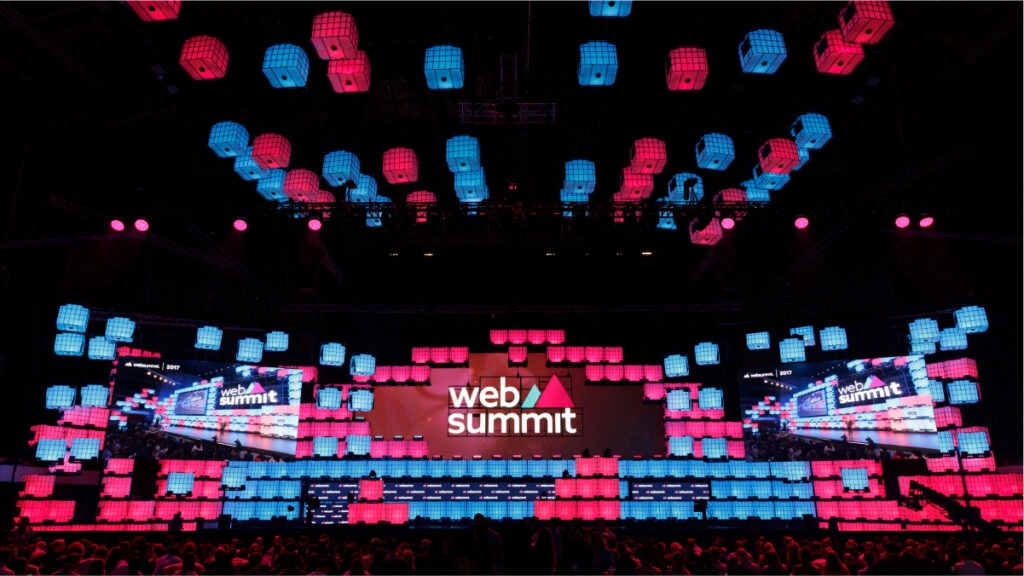
This year’s expanded edition welcomed over 25,000 attendees from over 124 countries, more than 1,520 startups, over 600 investors, and more than 380 speakers alongside 180 industry partners. The event has also drawn unprecedented media interest, with representatives from over 600 media outlets. The second annual Web Summit held in Doha at the Doha Exhibition and Convention Center (DECC) between February 23 and 26 had a bevy of tech entrepreneurs and financial backers who got together to assess and understand the future of artificial intelligence (AI). His Excellency Sheikh Mohammed bin Abdulrahman bin Jassim Al Thani, Prime Minister and Minister of Foreign Affairs, inaugurated the second edition of Web Summit Qatar, the largest technology event in the Middle East and North Africa. In his opening speech, HE the Prime Minister emphasised Qatar’s continued efforts to cement its position as a global hub for innovation and entrepreneurship. He highlighted the nation’s commitment to improving regulatory frameworks and creating new economic opportunities for the private sector. He stated: “Built on the back of our thriving energy sector, we are positioned for a private sector take-off. This launch will include even more transformative partnerships across key sectors, from pioneering fintech solutions to groundbreaking climate technologies.” HE the Prime Minister emphasised that Qatar will continue to reinforce its commitment to supporting startups, stating: “We plan to renovate our entire economy to make Qatar the top regional destination for startups and create an ecosystem for startups to innovate and thrive.” Qatar is seeking to use its gas wealth to help it become a regional AI leader amid rising competition from neighbouring Saudi Arabia and the United Arab Emirates. Qatar had signed a five-year deal with Scale AI to deploy AI-powered tools and training in a push to improve government services in the country. 2025 Web Summit The summit kicked off with a series of panel discussions featuring prominent entrepreneurs from around the world, including Alexandr Wang, founder and CEO of Scale AI, and Alexis Ohanian, Co-Founder of Reddit and General Partner at Seven Seven Six. Leading entrepreneurs from around the world, including Alexander Wang, founder and CEO of Scale AI, and Alexis Ohanian, co-founder of Reddit and general partner at Seven Seven Six, took centre stage at the event on the opening day. Key questions discussed at the summit were over the future of AI amid companies and investors that are changing that landscape more rapidly than what the players themselves expected. The United States and China are leading in preparedness for AI, said Wang of US company Scale AI. DeepSeek, the Chinese AI company that develops large language models that are competitive with OpenAI’s, but cost less to create. demonstrated that it is a relatively close race between the two countries and that others will have to follow suit soon.
Being a Qatari athlete and a woman has been both empowering and challenging
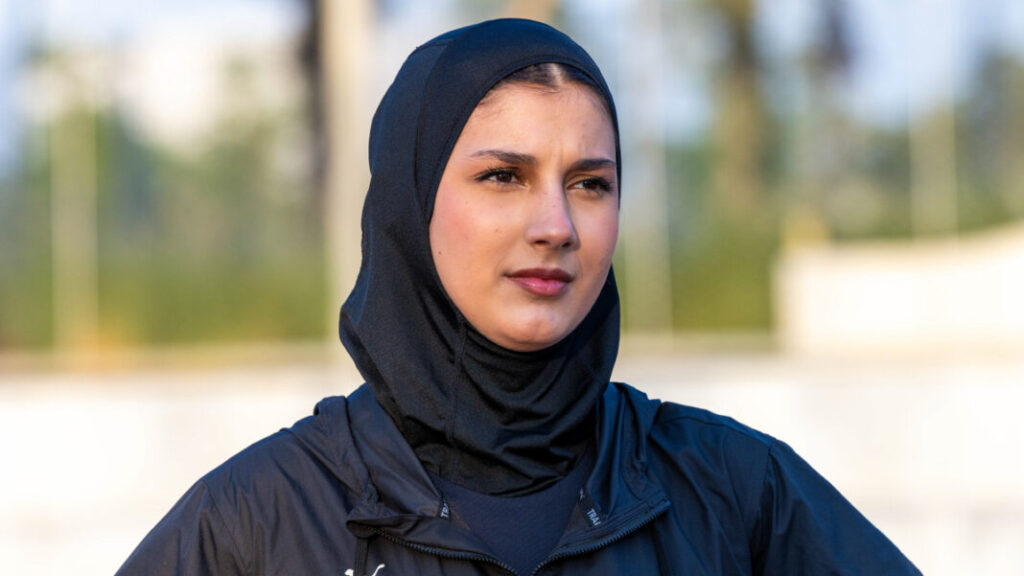
For Hana Al Khater, volleyball is more than just a sport – it is a symbol of unity and teamwork. On the court, individual boundaries fade away, and everyone becomes part of one shared game. This sense of connection ignited the passion of the young Qatari athlete, inspiring her to pursue her dream of becoming a volleyball player. Aparajita Mukherjee sat down with Al Khater to unravel her athlete and the individual. BL: What life lesson has volleyball taught you?Al Khater: Volleyball has taught me the importance of teamwork and communication. No matter how skilled a player is, success in volleyball depends on working cohesively as a team, trusting your teammates, and communicating effectively during high-pressure moments. It has also taught me resilience and adaptability. Sometimes the game doesn’t go as planned, but learning to stay composed, adapt strategies, and focus on the next play is crucial. I’ve also learned how to appreciate friendships within the volleyball team, my coaches, teammates, family, and even spectators all helped me learn to appreciate the little things in life. BL: How has it been – being a Qatari athlete and a woman – on and off the field?Al Khater: Being a Qatari athlete and a woman has been both empowering and challenging. On the field, I take pride in breaking barriers and representing my culture, while off the field, I’ve faced societal expectations which have pushed me to grow as a leader. This journey has taught me resilience and the importance of inspiring change, proving that passion and determination can overcome any boundary. BL: In hindsight, what would you choose to re-do (if given an option)?Al Khater: If given the chance, I would focus more on embracing opportunities and getting outside my comfort zone earlier. Looking back, there were moments where hesitation held me back from taking on challenges that could have further shaped me. While I’ve learned from these experiences, I now realize the importance of taking risks and fully committing to every opportunity that comes my way. BL: Where do you see yourself 3 years down the line?Al Khater: Three years from now, I see myself pursuing a degree in a science based major, building on my passion for investigation and problem-solving. I aim to be actively involved in hands-on research, honing my skills in analyzing evidence and contributing to impactful projects. Beyond academics, I hope to continue inspiring others by advocating for women in STEM and sports, showing that determination can lead to breaking barriers in any field as long as you push yourself. Short Takes
2025 eCommerce revenue pegged at US$3,795.00 million
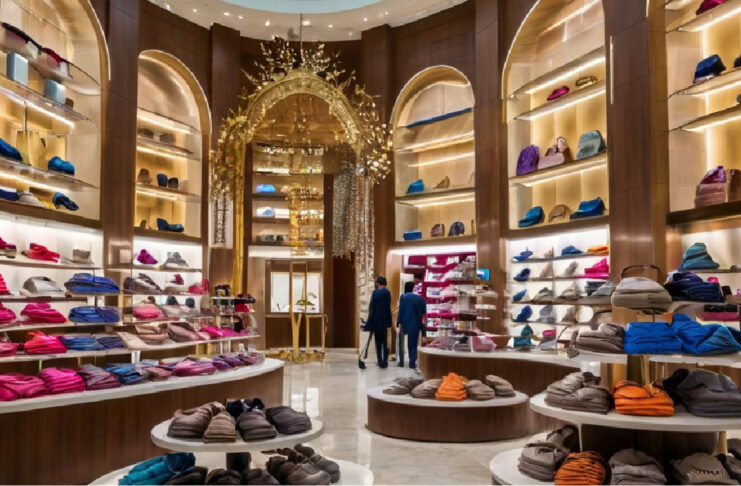
With one of the highest data penetration rates at 99 percent, Qatar has a savvy population who are active social media users. According to DataReportal, 97.8 percent of the population are active social media users. Prior to Covid-19, it was estimated that only about 14 percent of the population made online purchases; however, this has increased significantly since March 2020 when the eCommerce market boomed. Fitch Solutions has estimated that the eCommerce market in Qatar which was worth close to US$1.5 billion in 2019 has not only grown since then but there has been a very sharp increase In Qatar’s small and medium enterprises’ (SME) acceptance of credit cards, which are widely used in Qatar. While these retail trends are more than apparent, there’s robust regulatory preparation with active systemic changes to support this transition. As Qatar continues to move towards a cashless economy, the Qatar Central Bank (QCB) launched the “Qatar Mobile Payment System” (QMPS) enabling the use of electronic wallets to further develop the country’s electronic payment environment and access to a high-level national payment system. Qatar Central Bank (QCB) also issued unified specifications and standards for the QR code that enables users to make payments by scanning the response code (QR Code) through mobile phones at points of sale and public transportation. QCB issued the Payment Services Regulation to license and regulate payment service providers (PSPs) in Qatar. In tandem, QCB launched the National Fintech Strategy, to integrate digital innovations like blockchain, Islamic banking, insurance technology, and education technology. Cryptocurrencies remain banned under the new strategy with the aim that through the new strategy, it will serve as a regulator and an enabler to accommodate emerging fintech models. The central bank started introducing a licensing regime for all new and existing fintech services operating in the country, including Payment Services Providers (PSPs), “buy now pay later” (BNPL) and insurance price comparison websites. The National Strategy and several other related documents remain unavailable in sufficient details leading to opacity and bureaucratic challenge. Recent data from QCB has shown that Qatar’s point of sale (POS) and eCommerce transactions saw an upward trajectory in December 2024. The surge was registered as POS transactions were valued at QR9.49 billion in December 2024 compared to QR7.90 billion in December 2023 and QR2.755 billion in December 2022 recording a growth of 20 percent and 25 percent respectively. The volume of POS transactions stood at 43.97 million in December 2024, while it was 33.85 million in December 2023 and 32.06 million in the same month in 2022 recording an increase of 30 percent and 37 percent respectively. Challenges Facing Digital RetailersWhile the e-commerce sector in Qatar is experiencing speedy growth and expansion, virtual retailers additionally encounter numerous challenges specific to the market. Here are a number of the essential challenges in dealing with digital shops in Qatar: Logistics and last-mile delivery: Qatar’s geographical landscape and infrastructure pose logistical challenges for e-commerce shops, particularly in ensuring timely and efficient closing-mile transport of orders to clients throughout the country. Limited delivery networks and congested urban areas can hinder delivery operations, leading to delays and client dissatisfaction. Payment methods and security concerns: Despite the growing adoption of virtual bills, concerns about charge security and fraud remain universal amongst Qatari customers. Digital retailers ought to deal with those issues by imposing robust price safety features, offering secure payment gateways, and building acceptance with clients to inspire online transactions. Competition from traditional retail: Traditional brick-and-mortar shops continue to dominate the retail panorama in Qatar, posing stiff opposition to digital shops. Established retail chains and purchasing shops entice a full-size part of purchaser spending, making it hard for e-commerce players to compete on charge, convenience, and brand recognition. Customer trust and brand reputation: Building agreement with and credibility with customers is important for virtual stores to achieve Qatar’s e-commerce market. Establishing a reputable brand image, turning in notable products and services, and imparting first-rate customer support is critical for earning and preserving consumer agreement in a competitive online market. Digital skills and talent acquisition: Recruiting and keeping skilled professionals with an understanding of e-commerce, digital advertising, and technology can be difficult for outlets in Qatar. The demand for digital skills exceeds neighborhood delivery, leading to skills shortages and competency gaps that restrict the implementation of effective e-commerce market growth strategies and tasks. Cross-border trade and customs regulations: eCommerce retailers seeking to expand their reach beyond Qatar’s borders face challenges associated with cross-border trade and customs regulations. Complex import/export tactics, customs obligations, and regulatory compliance requirements can increase the cost and complexity of international e-commerce operations, impacting profitability and scalability. https://www.statista.com/outlook/emo/ecommerce/qatar#revenue Number crunching• Revenue in the eCommerce Market is projected to reach US$3,795.00 million in 2025.• Revenue is expected to show an annual growth rate (CAGR 2025-2029) of 8.15 percent, resulting in a projected market volume of US$5,192.00 million by 2029.• With a projected market volume of US$1,773.00 billion in 2025, most revenue is generated in China.• In the eCommerce Market, the number of users is expected to amount to 1,609.0k users by 2029.• User penetration will be 45.1 percent in 2025 and is expected to hit 57.9 percent by 2029.• The average revenue per user (ARPU) is expected to amount to US$3.12k.Source: https://www.statista.com/outlook/emo/ecommerce/qatar eCommerce Trends in QatarE-commerce in Qatar is experiencing a substantial surge, driven by various developments shaping the virtual retail landscape within the country. Here are a few prominent e-commerce traits reflected in Qatar’s eCommerce market growth: Cellphone dominance: Qatar has one of the highest cellphone penetration costs globally, which is reflected in the dominance of mobile commerce. Rise of online marketplaces: Marketplaces such as Souq.Com, Jazp.Com, and Lulu Hypermarket’s online stores are witnessing accelerated traction, presenting purchasers with a handy buying experience and getting entry to various merchandise. Demand for fast and reliable delivery: eCommerce shops in Qatar invest in efficient logistics and last-mile delivery solutions to ensure well-timed shipping of orders, improving consumer delight and loyalty and maximising eCommerce market growth. Personalised shopping experiences: AI-controlled
The GCC Program: The first international carbon credit and sustainable development program
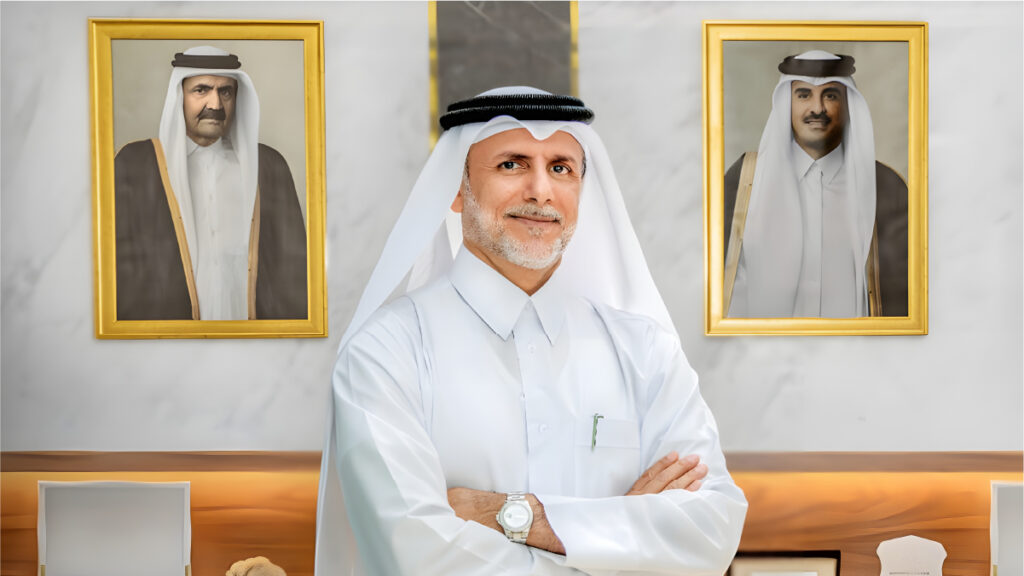
Dr Yousef Alhorr, founding chairman of the Global Carbon Council (GCC) speaks to Aparajita Mukherjee on the Council’s role in promoting sustainability through issuance of carbon credits to high-quality projects that have demonstrated their additionality in the reduction and removal of GHG emissions contributing to the United Nations Sustainable Development Goals (SDGs). Dr Yousef Alhorr, founding chairman of the Global Carbon Council (GCC), says that the GCC Program has received multiple projects for the issuance of carbon credits from Gulf countries including Bahrain, Kuwait, Oman, Qatar, Saudi Arabia, and the United Arab Emirates BL: Talk us through the Global Carbon Council and Qatar’s role in this initiative. Dr Alhorr: The Global Carbon Council (GCC) is the first international carbon credit and sustainable development program based in the Global South. The GCC Program is contributing to a more sustainable and low-carbon future by issuing carbon credits to projects from around the world that add to sustainable development. The Program only accepts high-quality projects that have demonstrated their additionality in the reduction and removal of GHG emissions while ensuring that project construction and operations do not cause any net harm to the environment and society and contribute to the United Nations Sustainable Development Goals (SDGs). As a result, the Program is helping to drive much-needed climate finance into projects that reduce and remove emissions. GCC is accredited by the United Nations International Civil Aviation Organization (ICAO) for their CORSIA scheme and by the International Carbon Reduction and Offsetting Alliance (ICROA). GCC presently issues carbon credits aimed to serve voluntary carbon markets and CORSIA, but soon, it will issue emission reductions eligible under Article 6.2 of the Paris Agreement that host countries will transfer as internationally transferable mitigation outcomes (ITMOs) to the buyer countries to meet the targets of its Nationally Determined Contribution (NDC) and to the private/corporate sector organizations for meeting carbon neutrality and net zero commitments. Having received 1,500+ projects from 45 countries spanning South and East Asia, MENA, Africa, Eastern Europe, Latin America and Caribbean region, GCC aims to issue in excess of 2 billion carbon credits in next eight years’ time to help meet the aim of a net-zero world. The carbon market initiative was established by the Gulf Organisation for Research & Development (GORD), under Qatar’s leadership. Although originating from Qatar, GCC’s scope is global. It also plays a crucial role in bridging the gap between developed and developing nations in carbon market participation. BL: Being a top producer and exporter of hydrocarbons, how does this initiative tie in with global long-term sustainability from the Qatari perspective? Dr Alhorr: GCC Program is an independent carbon standard which acts primarily on project basis to issue carbon credits in any part of the world. The scope of GCC spans beyond the geography of Qatar. Over the years, the program has become one of the leading key players in the carbon markets serving voluntary as well as compliance markets. Gas exporting countries including Qatar and members of the Gas Exporting Countries Forum (GECF) can benefit from the methodologies that GCC is promoting regarding the early retirements of coal plants, carbon capture and storage (CCS) or fuel switch to cleaner low embodied carbon fuels which can drive short- to medium-term decarbonization goals for countries and corporates alike. Key areas of focus for gas producing nations such as Qatar include energy efficiency, methane management, blue hydrogen and the adoption of CCS technologies. GCC brings carbon marketplace to catalyze climate action in all these areas. BL: Which GHG projects are most critical to accelerate the Gulf region’s low-carbon growth? Dr Alhorr: The Gulf region has significant potential for emission reduction projects due to its vast natural resources, technological capabilities, and increasing commitment to sustainability. The critical GHG mitigation projects in the GCC include Renewable Energy expansion, CCS, Blue and Green Hydrogen/Ammonia Production, Energy Efficiency in Industry, Flare Gas Reduction in Oil/Gas Industry, Green Buildings, Energy Efficient Chillers, Refrigerant Switch to non-GWP Gases, Mass Transport and Electric Vehicles, Waste and Wastewater Management, Plugging the abandoned oil wells and Greenhouses for agriculture. As per the International Renewable Energy Agency (IRENA) report, Gulf countries could save up to 136 million tons of CO₂ annually by 2030 through renewable deployment, one of the major areas of the Gulf region’s mitigation sector. Further, with many geological storages of depleted oil reservoirs and saline aquifers, there is great potential for CCS. Accelerated growth of all these clean and green sector projects is very important for the region to achieve a low-carbon future and economic diversification. The GCC Program has received multiple projects for carbon finance support for the Gulf countries covering Bahrain, Kuwait, Oman, Qatar, Saudi Arabia, and the UAE. Many of these received projects are either registered or at different stages of active evaluation. Role of S&P and Climate Impact X in the new agreement “The strategic tri-party agreement between GCC, S&P Global Commodity Insights (SPGCI), and Climate Impact X (CIX) aims to enhance carbon market services and improve liquidity. SPGCI offers comprehensive registry services to the GCC program. The Environmental Registry platform by S&P plays a critical role in supporting the secure and transparent issuance of carbon credits (ACCs). CIX is a global carbon market solutions provider based in Singapore. CIX’s platform will provide project developers with streamlined access to global buyers and enhance the liquidity of carbon credits issued by GCC. GCC sees value in providing a secure transaction registry (provided by SPGCI) to issue credits and further integration with a robust exchange (CIX) would provide better liquidity opportunity to the sell side (or project developers). By partnering with the two reputable solutions providers, GCC aims to scale its global impact by bringing greater transparency, certainty, and liquidity to the carbon markets.” – Dr Yousef Alhorr, founding chairman of the Global Carbon Council.