

QF’s BilAraby Initiative Discusses the Impact of Arabic in Publishing and Content at Doha International Book Fair
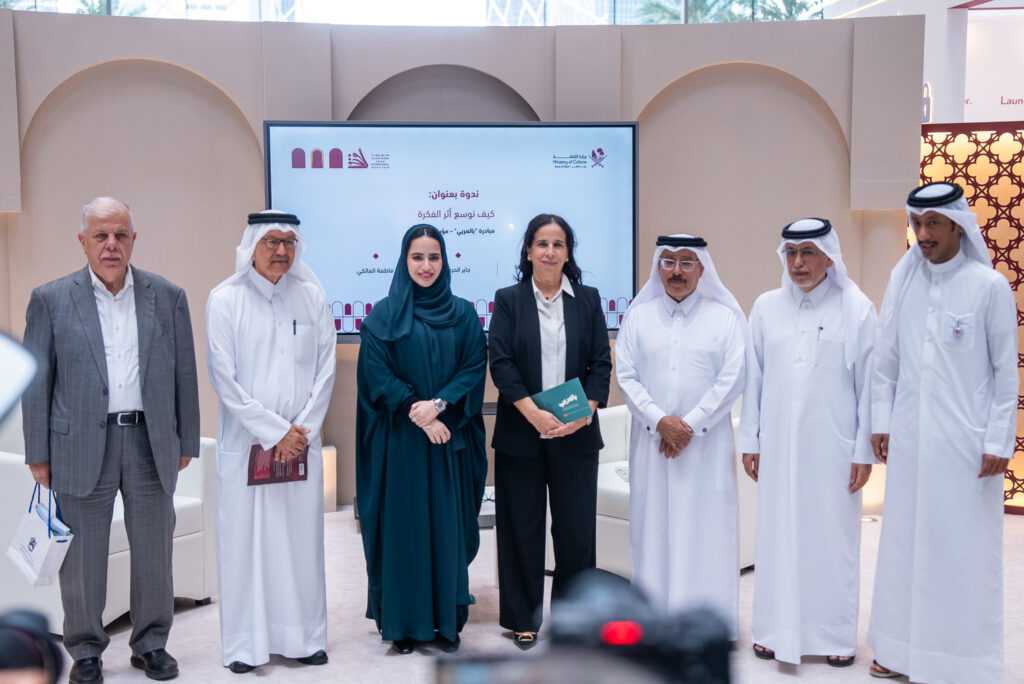
Panel session explores the evolution of ideas from traditional books to digital platforms Qatar Foundation’s BilAraby initiative participated in the 35th Doha International Book Fair with a panel discussion examining how Arabic ideas can move beyond traditional publishing and reach wider audiences through digital content, multimedia platforms and new forms of knowledge engagement. The session, titled “Arabic Between Publishing and Content: How Do We Expand the Impact of an Idea?”, was held at the exhibition’s Cultural Salon at the Doha Exhibition and Convention Center (DECC). The event was organised under the supervision of the Qatari Forum for Authors as part of the book fair programme, which was organised by the Ministry of Culture – Qatar Cultural and Heritage Events Center. Expanding the Reach of Arabic Ideas BilAraby’s participation reflected Qatar Foundation’s broader commitment to strengthening the role of Arabic in cultural dialogue, knowledge production and digital innovation. The discussion focused on a key question: how can ideas created in Arabic reach broader and more diverse audiences, both inside and outside the Arabic-speaking world? Panelists explored the transformation taking place across the Arabic knowledge industry, particularly the shift from print-focused publishing to digital-first content. The conversation highlighted how Arabic can serve not only as a language of expression and preservation, but also as a powerful medium for producing knowledge, shaping public discourse and enabling new voices to emerge. From Books to Digital Knowledge Experiences A major theme of the session was the changing journey of an idea. While books remain a vital foundation for intellectual and cultural work, speakers noted that today’s audiences increasingly engage with ideas across podcasts, video content, social platforms, interactive formats and digital communities. The panel examined how publishers, writers and content creators can transform strong ideas into accessible and engaging knowledge experiences. This includes adapting Arabic content for different platforms while preserving depth, meaning and cultural relevance. The discussion also touched on the role of Arabic in promoting epistemic justice — ensuring that Arabic-speaking communities are not only consumers of knowledge, but also active producers and contributors to global conversations. Leading Voices in Arabic Media and Reading Culture The session was moderated by Souhila Abada, content supervisor and lead trainer at the BilAraby initiative. Speakers included Jaber Al Harami, writer and editor-in-chief of Al Sharq newspaper, and Fatima Al Malki, Director of the Qatar Reads initiative at Qatar National Library. Together, they discussed the responsibilities of media organisations, publishing houses, libraries and content creators in expanding the presence of Arabic knowledge across modern communication channels. Arabic as a Language of Innovation Commenting on BilAraby’s participation, Hisham Nourin, Executive Director of Strategic Initiatives and Programs at Qatar Foundation, said the initiative’s presence at the Doha International Book Fair came from a firm belief in Arabic as a language capable of innovation and knowledge leadership. “The participation of the BilAraby initiative in the Doha International Book Fair stems from our firm belief that Arabic is a language of knowledge production and innovation, not just a means of expression. While a book is a vital starting point, the impact of an idea truly expands when it moves through podcasts, visual content, and digital platforms to reach a global audience,” he said. Interactive Engagement with the Public Alongside the panel discussion, BilAraby hosted interactive activities designed to encourage public participation. Visitors were invited to brainstorm new forms of Arabic content creation and explore how ideas can be transformed into impactful digital experiences. The activities supported BilAraby’s wider mission of creating a space where Arabic content, creativity and knowledge-sharing can evolve in line with the needs of modern audiences. Strengthening Qatar’s Cultural and Knowledge Economy BilAraby’s participation in the Doha International Book Fair reinforced Qatar’s growing role as a regional platform for culture, publishing and knowledge exchange. As Qatar continues to invest in education, media, research, creativity and digital transformation, initiatives such as BilAraby contribute to the development of a stronger Arabic content ecosystem — one that connects heritage with innovation and local identity with global reach. Updates on BilAraby and its 2026 gathering are available through the initiative’s official website: www.bilaraby.qa.
Book Rack – The Life Impossible by Matt Haig: A tale within tales
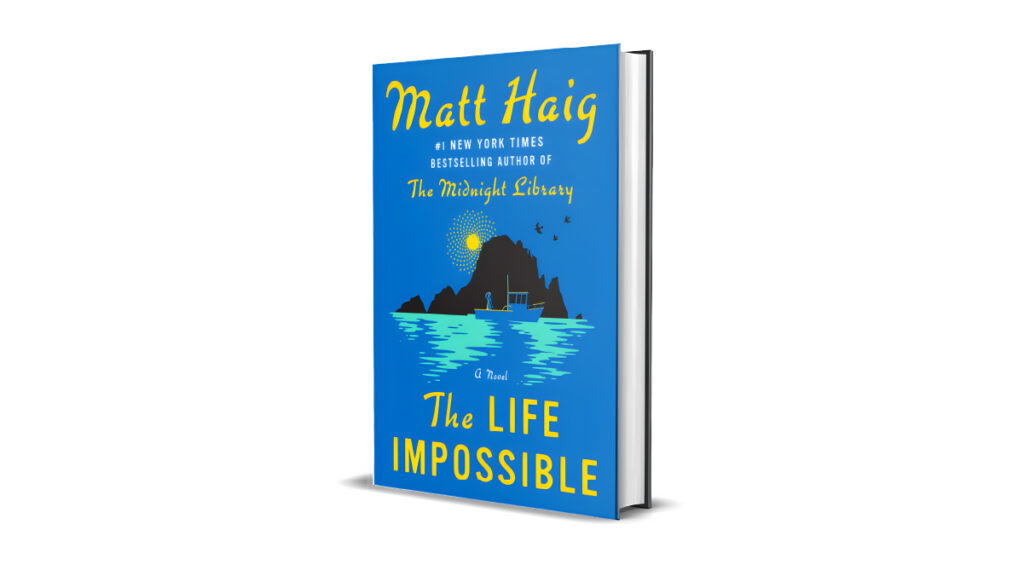
Matt Haig writes from his heart. And that’s one recipe for a remarkable piece of writing. Filled with wonder and wild adventure, this is a story of hope and the life-changing power of a new beginning. “What looks like magic is simply a part of life we don’t understand yet…” – that’s how lyrical and magical is Haig’s understanding of life. The Life Impossible tells the story of a retired math teacher Grace Winters who is left a run-down house on a Mediterranean island by a long-lost friend. At this place, curiosity gets the better of her and Winters arrives in Ibiza with a one-way ticket, no guidebook and no plan. Among the rugged hills and golden beaches of the island, Grace searches for answers about her friend’s life, and how it ended. What she uncovers is stranger than she could have dreamed. But to dive into this impossible truth, Grace must first come to terms with her past. In many ways, The Life Impossible is a story of contrasts. Grace travels from her bleak bungalow in Lincoln to solve a crime on the most vibrant island in the world. As her unlikely friendship with Alberto progresses, her mathematical mind embraces the improbable, and she is released from anhedonia – going from feeling nothing at all to feeling everything. The many seemingly unrelated references Haig brings, from Nostradamus to Freddie Mercury, Shakespeare to Hill Street Blues, all begin to weave together, and the only way Grace will save herself – and the island – is to embrace those connections. Haig’s wise and moving novel is both a mystery and a love story, and its greatest gift lies in showing us that it is possible to dismantle the boundaries we have built, grasp the connections previously hidden, and appreciate life in all its richness. While it was a slow start, this became such a moving tale. It covers so much: grief, loss, acceptance, found family, Ibiza’s complicated past and present, impacts of tourism, mistakes, second chances, and more.
Atomic Habits: What makes or breaks us
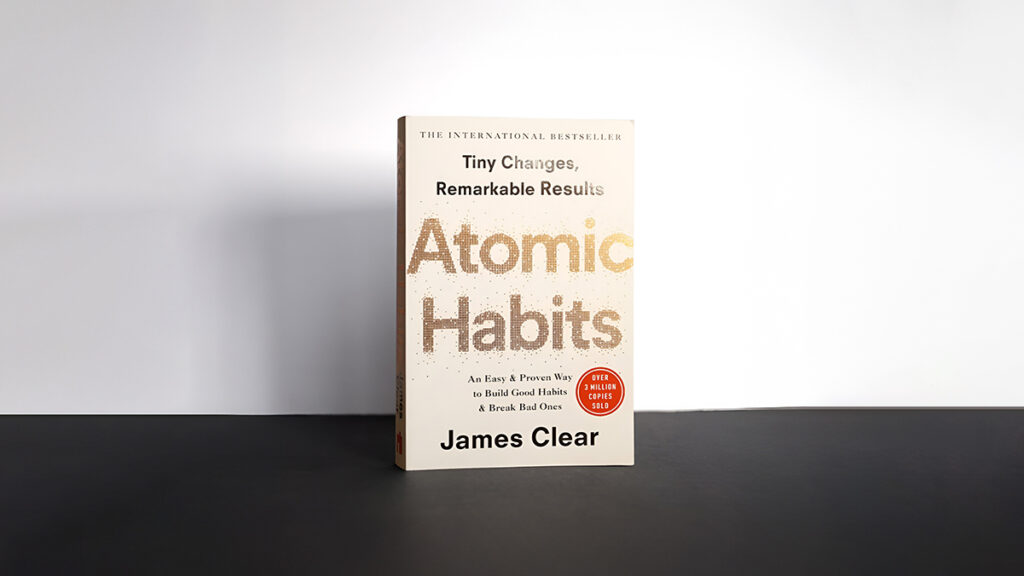
James Clear, the author of Atomic Habits, delves deep into the power of small habits and their ability to make a big impact on our lives. It offers practical strategies and insightful anecdotes to help readers understand how to build and break habits effectively. The author emphasises that change does not occur overnight, but rather through the accumulation of small, consistent actions and outlines a simple yet powerful framework: the four laws of behaviour change which consists of making habits obvious, attractive, easy, and satisfying. These laws, when applied appropriately, can help readers create desirable habits and eliminate undesirable ones. His whole philosophy is based on the idea of making tiny, or “atom-like” changes. And then those small changes snowball. Clear backs up his claims and advice with scientific research and studies, by illustrating the psychology and neuroscience behind habit formation, and provides a solid foundation for his suggestions. This evidence-based approach adds weight to the ideas presented, making them more compelling. What sets Atomic Habits apart from other self-help books is its practicality. Clear breaks down the process of habit formation into easy-to-follow steps, making it more likely for readers to take action and see real progress, providing various techniques to overcome common stumbling blocks along the way, such as habit stacking and habit tracking, making it easier for readers to build in accountability. This is a must-read for anyone looking to improve their lives by harnessing the power of habit. The four laws