

2025 eCommerce revenue pegged at US$3,795.00 million
With one of the highest data penetration rates at 99 percent, Qatar has a savvy population who are active social media users. According to DataReportal, 97.8 percent of the population are active social media users. Prior to Covid-19, it was estimated that only about 14 percent of the population made online purchases; however, this has increased significantly since March 2020 when the eCommerce market boomed. Fitch Solutions has estimated that the eCommerce market in Qatar which was worth close to US$1.5 billion in 2019 has not only grown since then but there has been a very sharp increase In Qatar’s small and medium enterprises’ (SME) acceptance of credit cards, which are widely used in Qatar. While these retail trends are more than apparent, there’s robust regulatory preparation with active systemic changes to support this transition. As Qatar continues to move towards a cashless economy, the Qatar Central Bank (QCB) launched the “Qatar Mobile Payment System” (QMPS) enabling the use of electronic wallets to further develop the country’s electronic payment environment and access to a high-level national payment system. Qatar Central Bank (QCB) also issued unified specifications and standards for the QR code that enables users to make payments by scanning the response code (QR Code) through mobile phones at points of sale and public transportation. QCB issued the Payment Services Regulation to license and regulate payment service providers (PSPs) in Qatar. In tandem, QCB launched the National Fintech Strategy, to integrate digital innovations like blockchain, Islamic banking, insurance technology, and education technology. Cryptocurrencies remain banned under the new strategy with the aim that through the new strategy, it will serve as a regulator and an enabler to accommodate emerging fintech models. The central bank started introducing a licensing regime for all new and existing fintech services operating in the country, including Payment Services Providers (PSPs), “buy now pay later” (BNPL) and insurance price comparison websites. The National Strategy and several other related documents remain unavailable in sufficient details leading to opacity and bureaucratic challenge. Recent data from QCB has shown that Qatar’s point of sale (POS) and eCommerce transactions saw an upward trajectory in December 2024. The surge was registered as POS transactions were valued at QR9.49 billion in December 2024 compared to QR7.90 billion in December 2023 and QR2.755 billion in December 2022 recording a growth of 20 percent and 25 percent respectively. The volume of POS transactions stood at 43.97 million in December 2024, while it was 33.85 million in December 2023 and 32.06 million in the same month in 2022 recording an increase of 30 percent and 37 percent respectively. Challenges Facing Digital RetailersWhile the e-commerce sector in Qatar is experiencing speedy growth and expansion, virtual retailers additionally encounter numerous challenges specific to the market. Here are a number of the essential challenges in dealing with digital shops in Qatar: Logistics and last-mile delivery: Qatar’s geographical landscape and infrastructure pose logistical challenges for e-commerce shops, particularly in ensuring timely and efficient closing-mile transport of orders to clients throughout the country. Limited delivery networks and congested urban areas can hinder delivery operations, leading to delays and client dissatisfaction. Payment methods and security concerns: Despite the growing adoption of virtual bills, concerns about charge security and fraud remain universal amongst Qatari customers. Digital retailers ought to deal with those issues by imposing robust price safety features, offering secure payment gateways, and building acceptance with clients to inspire online transactions. Competition from traditional retail: Traditional brick-and-mortar shops continue to dominate the retail panorama in Qatar, posing stiff opposition to digital shops. Established retail chains and purchasing shops entice a full-size part of purchaser spending, making it hard for e-commerce players to compete on charge, convenience, and brand recognition. Customer trust and brand reputation: Building agreement with and credibility with customers is important for virtual stores to achieve Qatar’s e-commerce market. Establishing a reputable brand image, turning in notable products and services, and imparting first-rate customer support is critical for earning and preserving consumer agreement in a competitive online market. Digital skills and talent acquisition: Recruiting and keeping skilled professionals with an understanding of e-commerce, digital advertising, and technology can be difficult for outlets in Qatar. The demand for digital skills exceeds neighborhood delivery, leading to skills shortages and competency gaps that restrict the implementation of effective e-commerce market growth strategies and tasks. Cross-border trade and customs regulations: eCommerce retailers seeking to expand their reach beyond Qatar’s borders face challenges associated with cross-border trade and customs regulations. Complex import/export tactics, customs obligations, and regulatory compliance requirements can increase the cost and complexity of international e-commerce operations, impacting profitability and scalability. https://www.statista.com/outlook/emo/ecommerce/qatar#revenue Number crunching• Revenue in the eCommerce Market is projected to reach US$3,795.00 million in 2025.• Revenue is expected to show an annual growth rate (CAGR 2025-2029) of 8.15 percent, resulting in a projected market volume of US$5,192.00 million by 2029.• With a projected market volume of US$1,773.00 billion in 2025, most revenue is generated in China.• In the eCommerce Market, the number of users is expected to amount to 1,609.0k users by 2029.• User penetration will be 45.1 percent in 2025 and is expected to hit 57.9 percent by 2029.• The average revenue per user (ARPU) is expected to amount to US$3.12k.Source: https://www.statista.com/outlook/emo/ecommerce/qatar eCommerce Trends in QatarE-commerce in Qatar is experiencing a substantial surge, driven by various developments shaping the virtual retail landscape within the country. Here are a few prominent e-commerce traits reflected in Qatar’s eCommerce market growth: Cellphone dominance: Qatar has one of the highest cellphone penetration costs globally, which is reflected in the dominance of mobile commerce. Rise of online marketplaces: Marketplaces such as Souq.Com, Jazp.Com, and Lulu Hypermarket’s online stores are witnessing accelerated traction, presenting purchasers with a handy buying experience and getting entry to various merchandise. Demand for fast and reliable delivery: eCommerce shops in Qatar invest in efficient logistics and last-mile delivery solutions to ensure well-timed shipping of orders, improving consumer delight and loyalty and maximising eCommerce market growth. Personalised shopping experiences: AI-controlled
The GCC Program: The first international carbon credit and sustainable development program
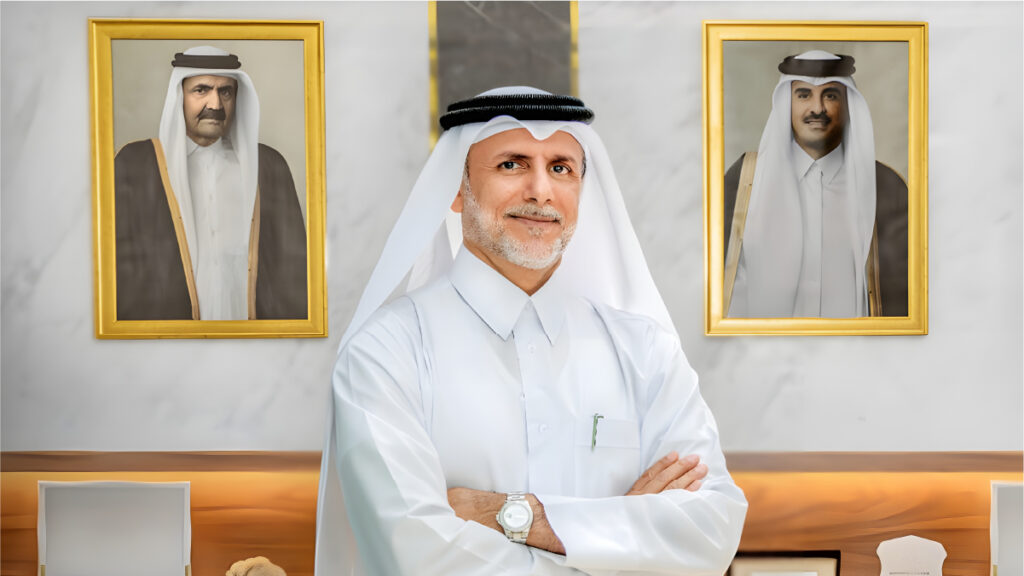
Dr Yousef Alhorr, founding chairman of the Global Carbon Council (GCC) speaks to Aparajita Mukherjee on the Council’s role in promoting sustainability through issuance of carbon credits to high-quality projects that have demonstrated their additionality in the reduction and removal of GHG emissions contributing to the United Nations Sustainable Development Goals (SDGs). Dr Yousef Alhorr, founding chairman of the Global Carbon Council (GCC), says that the GCC Program has received multiple projects for the issuance of carbon credits from Gulf countries including Bahrain, Kuwait, Oman, Qatar, Saudi Arabia, and the United Arab Emirates BL: Talk us through the Global Carbon Council and Qatar’s role in this initiative. Dr Alhorr: The Global Carbon Council (GCC) is the first international carbon credit and sustainable development program based in the Global South. The GCC Program is contributing to a more sustainable and low-carbon future by issuing carbon credits to projects from around the world that add to sustainable development. The Program only accepts high-quality projects that have demonstrated their additionality in the reduction and removal of GHG emissions while ensuring that project construction and operations do not cause any net harm to the environment and society and contribute to the United Nations Sustainable Development Goals (SDGs). As a result, the Program is helping to drive much-needed climate finance into projects that reduce and remove emissions. GCC is accredited by the United Nations International Civil Aviation Organization (ICAO) for their CORSIA scheme and by the International Carbon Reduction and Offsetting Alliance (ICROA). GCC presently issues carbon credits aimed to serve voluntary carbon markets and CORSIA, but soon, it will issue emission reductions eligible under Article 6.2 of the Paris Agreement that host countries will transfer as internationally transferable mitigation outcomes (ITMOs) to the buyer countries to meet the targets of its Nationally Determined Contribution (NDC) and to the private/corporate sector organizations for meeting carbon neutrality and net zero commitments. Having received 1,500+ projects from 45 countries spanning South and East Asia, MENA, Africa, Eastern Europe, Latin America and Caribbean region, GCC aims to issue in excess of 2 billion carbon credits in next eight years’ time to help meet the aim of a net-zero world. The carbon market initiative was established by the Gulf Organisation for Research & Development (GORD), under Qatar’s leadership. Although originating from Qatar, GCC’s scope is global. It also plays a crucial role in bridging the gap between developed and developing nations in carbon market participation. BL: Being a top producer and exporter of hydrocarbons, how does this initiative tie in with global long-term sustainability from the Qatari perspective? Dr Alhorr: GCC Program is an independent carbon standard which acts primarily on project basis to issue carbon credits in any part of the world. The scope of GCC spans beyond the geography of Qatar. Over the years, the program has become one of the leading key players in the carbon markets serving voluntary as well as compliance markets. Gas exporting countries including Qatar and members of the Gas Exporting Countries Forum (GECF) can benefit from the methodologies that GCC is promoting regarding the early retirements of coal plants, carbon capture and storage (CCS) or fuel switch to cleaner low embodied carbon fuels which can drive short- to medium-term decarbonization goals for countries and corporates alike. Key areas of focus for gas producing nations such as Qatar include energy efficiency, methane management, blue hydrogen and the adoption of CCS technologies. GCC brings carbon marketplace to catalyze climate action in all these areas. BL: Which GHG projects are most critical to accelerate the Gulf region’s low-carbon growth? Dr Alhorr: The Gulf region has significant potential for emission reduction projects due to its vast natural resources, technological capabilities, and increasing commitment to sustainability. The critical GHG mitigation projects in the GCC include Renewable Energy expansion, CCS, Blue and Green Hydrogen/Ammonia Production, Energy Efficiency in Industry, Flare Gas Reduction in Oil/Gas Industry, Green Buildings, Energy Efficient Chillers, Refrigerant Switch to non-GWP Gases, Mass Transport and Electric Vehicles, Waste and Wastewater Management, Plugging the abandoned oil wells and Greenhouses for agriculture. As per the International Renewable Energy Agency (IRENA) report, Gulf countries could save up to 136 million tons of CO₂ annually by 2030 through renewable deployment, one of the major areas of the Gulf region’s mitigation sector. Further, with many geological storages of depleted oil reservoirs and saline aquifers, there is great potential for CCS. Accelerated growth of all these clean and green sector projects is very important for the region to achieve a low-carbon future and economic diversification. The GCC Program has received multiple projects for carbon finance support for the Gulf countries covering Bahrain, Kuwait, Oman, Qatar, Saudi Arabia, and the UAE. Many of these received projects are either registered or at different stages of active evaluation. Role of S&P and Climate Impact X in the new agreement “The strategic tri-party agreement between GCC, S&P Global Commodity Insights (SPGCI), and Climate Impact X (CIX) aims to enhance carbon market services and improve liquidity. SPGCI offers comprehensive registry services to the GCC program. The Environmental Registry platform by S&P plays a critical role in supporting the secure and transparent issuance of carbon credits (ACCs). CIX is a global carbon market solutions provider based in Singapore. CIX’s platform will provide project developers with streamlined access to global buyers and enhance the liquidity of carbon credits issued by GCC. GCC sees value in providing a secure transaction registry (provided by SPGCI) to issue credits and further integration with a robust exchange (CIX) would provide better liquidity opportunity to the sell side (or project developers). By partnering with the two reputable solutions providers, GCC aims to scale its global impact by bringing greater transparency, certainty, and liquidity to the carbon markets.” – Dr Yousef Alhorr, founding chairman of the Global Carbon Council.
Business Leaders – February 2025
Baraha Musical Concert Returns at Msheireb Downtown Doha
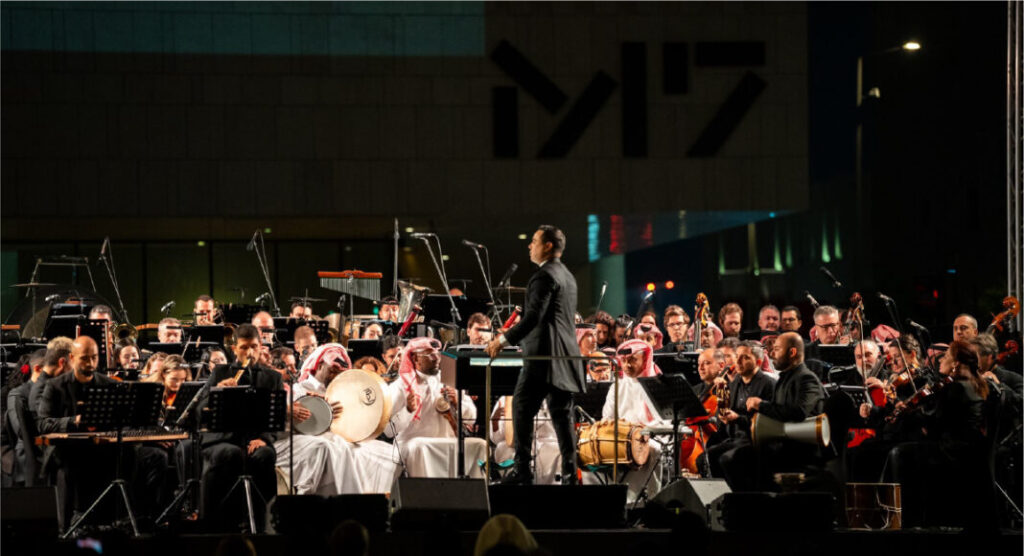
Doha, Qatar – 9 February 2025: The Baraha Musical Concert is back at Barahat Msheireb, taking place over three days on 14, 15, and 18 February – with a unique blend of Gulf folk music and animated soundtracks in an open-air setting at Msheireb Downtown Doha. In collaboration with the Qatar Philharmonic Orchestra (QPO), this year’s Baraha concerts are an opportunity to enjoy live performances while savouring a three-course meal in one of Doha’s most iconic destinations. Dr. Hafiz Ali Abdulla, Senior Director of Corporate Communications at Msheireb Properties, said: “The Baraha Musical Concert is all about bringing people together through music, combining contemporary and traditional sounds in the beautiful setting of Barahat Msheireb. With live performances and great food, it’s an experience that feels grand and intimate. We love seeing residents and visitors come together to enjoy these special moments, and it’s exciting to keep finding new ways to celebrate our heritage while embracing modern creativity.” Gulf Folk Music Meets Western Orchestral Sounds The first two concerts, on 14 and 15 February, will spotlight Gulf folk music, preserving traditional melodies while incorporating Western orchestral elements. The performance will pay tribute to Qatar’s maritime heritage, with a focus on the ‘Fijiri’ music style, a traditional genre linked to pearl divers and the sea. Dr. Nasser Sahim, Deputy Executive Director of QPO, discussed the significance of this initiative. “Since the blending of Gulf folk music with Western classical instruments in 2022, there has been increasing interest in these efforts to preserve local music. The Qatar Philharmonic Orchestra serves as a cultural ambassador for Qatar, showcasing local music to a wider audience. Through our orchestral direction, we highlight the themes and cultural stories of Qatar, bridging cultural understanding through music,” Dr. Sahim explained. Among the compositions composed by Dr. Sahim that will be featured include Spirit of Maqam, Al Freasa Ashory, Al Barehaa, Khamary – Samry Ma Agwa, Adsani, Lewaa Dance, Ya Hmood, An Yehremoona, Al Maena Yeqool, Helwa Magroora, and Ana Ya Khely. Anime Soundtracks Take the Stage On 18 February, the Baraha Musical Concert will present a unique experience with “Animated Volume 1: Msheireb Edition,” a performance that has captivated audiences since its debut in 2019. Growing in popularity among Doha audiences, the concert combines the magic of orchestral music with beloved anime soundtracks and attracts both classical music lovers and anime fans alike. “The upcoming concert promises a captivating celebration of anime music, offering fans the chance to hear iconic tracks from beloved shows, performed by a world-class orchestra. Highlighting the vital role music plays in anime, the concert will bring characters and stories to life with powerful performances of pieces from Death Note, Dragon Ball Z, One Piece, Detective Conan, The Lion King, and Arabic songs like Grendizer and Iron Man. This unique event blends orchestral music with anime culture, inviting the audience to sing along with the Qatar Philharmonic Orchestra and their soloists.” said Merve Kenet Bulun, Artistic Lead and part of QPO. Tickets for the Baraha Musical Concert are available in a variety of packages and include a three-course meal from a 5-star hotel in Msheireb Downtown Doha. Silver individual seating is priced at QAR 500 per seat, while Platinum and Gold ticket tables for multiple guests are available. Tickets can be purchased via the Msheireb Downtown Doha website.
Available at Qatar Automobiles Company The Mitsubishi Montero Sport, Fresh design, High performance and Durable
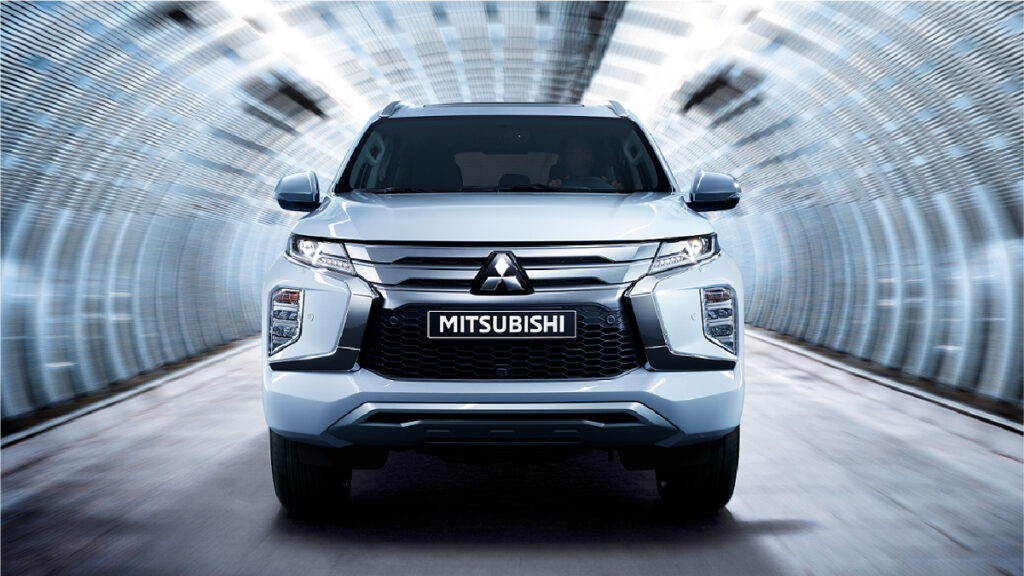
(February 8, 2025, Doha, Qatar): (February 8, 2025, Doha, Qatar): The Mitsubishi Montero Sport shines with its fresh design, performance and durability at affordable price, making it the ideal car for all road conditions and at all times. The Montero Sport is available at Qatar Automobiles Company, the authorized general distributor of Mitsubishi Motors in Qatar, at its showroom on Salwa road. With a fresh new face the Montero Sport has an updated look that features the new Dynamic Shield front grill, enhanced front bumper design and new LED and fog lights to give the car more tough yet smooth and modern look. On the back, the layout of rear lamps was changed, signal lights and brake lights’ positions have been switched, with a new spoiler out back adding a smoked finish in order to give the car a more sophisticated look. Engine and Performance The Montero Sport 2020 model is equipped with 3.0-LITER V6 MIVEC engine. The high-displacement V6 engine supplies strong acceleration even when carrying heavy loads or traveling uphill. Thanks to the 8-speed automatic transmission – First from Mitsubishi Motors – improved fuel efficiency coupled with smoother, more luxurious drive is easily achieved. Built for maximum stability and traction, the rugged frame and aerodynamically contoured body contribute to solid handling and stable highway performance. Reliable 4WD traction combines with an advanced suspension to keep the vehicle in touch with surface conditions to stay in firm control. Using the drive mode selector dial, drivers can easily switch between 2WD (2H) and 4WD (4H, 4HLc, 4LLc), while they can Improve traction when driving off road by entering the GRAVEL, MUD/SNOW, SAND or ROCK modes. The Hill Descent Control (HDC) mode selector activates the HDC, which automatically applies the brakes to maintain current speed when traveling downhill, allowing drivers to concentrate on steering and and the road ahead without having to manually apply the brakes. Active Stability & Traction Control independently regulates braking force to the wheels during cornering to help maintain excellent vehicle stability when needed. It also optimizes traction to prevent loss of torque whenever wheel spin is detected by controlling engine output and applying brake force to the spinning wheels. When starting on a steep slope, Hill Start Assist (HSA) helps prevent from rolling backwards when the brake is released by maintaining the braking force for up to two seconds until the accelerator is applied. Because challenges come in all shapes and sizes, this model is designed to climb up, over, around and through the toughest terrain. Safety The 2020 Montero Sport enjoys plenty of safety features that ensure utmost safety of the driver and passengers. The features include, Forward Collision Mitigation system [FCM], which helps prevent a frontal collision or reduces damage in the event that a collision unavoidable. Adaptive Cruise Control [ACC], maintains a set distance between the vehicle and the car ahead via a radar. The technology reduces driver stress during slow traffic on highways. The Blind Spot Warning system [BSW] and Lane Change Assist [LCA] features utilize radar sensors placed on the rear bumper to detect vehicles on the rear, left and right blind spots. To further enhance safety, the sensing range has been expanded to better detect the danger of collision with other vehicles during lane changes. Ultrasonic misacceleration Mitigation System [UMS] helps prevent collisions while parking, a buzzer sounds and a warning displays if front or rear sensors detect a nearby obstacle. Whereas Multi Around Monitor allows the views from cameras mounted on the front, rear and sides of the vehicle (including a bird’s-eye view) to be displayed in various combinations to reveal what is in blind spots and help the driver park more safely. Collision safety performance is significantly enhanced by Mitsubishi Motors’ RISE (Reinforced Impact Safety Evolution) body, which efficiently absorbs energy and maintains high cabin integrity in the event of a collision. The body is extremely sturdy and lightweight, due to the generous use of high tensile strength steel plates that also contribute to a high level of collision safety. The new Montero Sport enjoys seven SRS airbags to help protect the driver and passengers by absorbing the force of impact in the event of an collision. The system includes front airbags, front side airbags, curtain airbags (including third-row curtain airbags in the 7-seater) and a driver’s knee airbag. Utility and interior From elegant leather seats with dual layered cushioning and relaxing spaciousness, to small details including flat accent grips, double-stitched PVC door grips, two-tone black power window switch panels and large single-stitched soft ornaments and decorations, the cabin will awe everybody on board. The new 2020 Montero Sport enjoys several utility updates in the cabin. A first for a Mitsubishi vehicle, the large 8 inch color LCD meter cluster is easy to read and enhances the prestigious and advanced look and feel of the cockpit. In addition to the 8-inch touchscreen infotainment system, HVAC controls have been updated, and a new AC power outlet at the rear console for charging gadgets / phones has been added. The enhanced Smartphone-link Display Audio (SDA) with advanced connectivity helps drivers find new places while staying entertained on the go. The large 8-inch touch screen allows the driver to easily operate music playback via USB or Bluetooth, and calls are now made with voice actions. The power tailgate offers a host of convenient functions with the Keyless Operation System.
