

WISE Policy Dialogue Explores AI and Teacher Readiness in K–12 Education
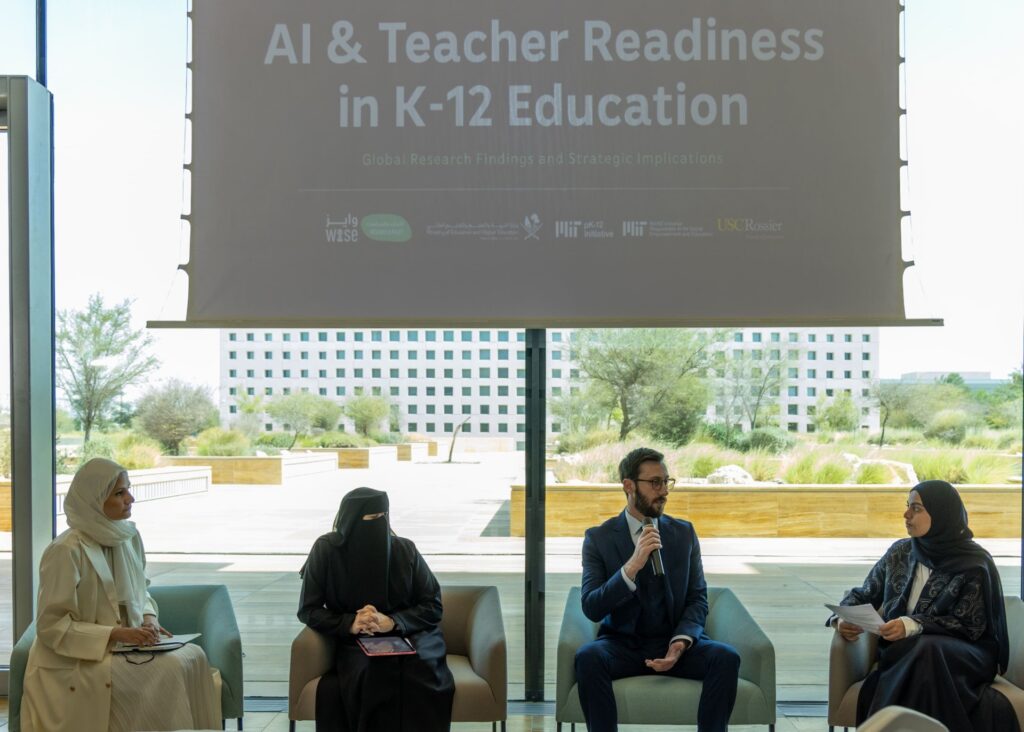
Reading Time: 4 minutesThe World Innovation Summit for Education, WISE, an initiative of Qatar Foundation, hosted a policy dialogue event titled “AI & Teacher Readiness in K–12 Education: Global Research Findings and Strategic Implications”, bringing together education experts, policy voices and school practitioners to examine how artificial intelligence standards can be practically implemented in school environments. The discussion focused on one of the most urgent questions facing education systems today: how prepared are teachers to use AI meaningfully, responsibly and effectively in the classroom? As artificial intelligence continues to move rapidly into schools, the event highlighted the need for stronger teacher support, professional development, national evaluation frameworks and AI tools that reflect local language, culture and curriculum needs. AI Is Moving Faster Than Education Policy Opening the dialogue, Selma Talha-Jebril, WISE Research and Policy Director, said artificial intelligence is entering classrooms faster than schools and policy systems have had time to prepare for it. Her remarks set the tone for a discussion that moved beyond the excitement around AI and focused instead on implementation, readiness and long-term educational value. The event examined how teachers are currently engaging with AI, with many using it for administrative or preparatory tasks. However, panelists noted that the real opportunity lies in moving towards deeper, transformational classroom applications that directly support teaching, learning and student innovation. Teacher Agency and Professional Development Take Centre Stage Moderated by Maimoona Junjunia, Research and Policy Associate at WISE, the discussion emphasized the importance of teacher agency in the adoption of AI. Panelists stressed that AI in education cannot succeed through technology deployment alone. Teachers need sustained professional development, clear guidance, trusted tools and the confidence to integrate AI into pedagogy in ways that enhance learning outcomes. The dialogue also addressed the importance of evaluating AI tools rigorously before integrating them into schools at scale. In this context, national initiatives such as the WISE EdTech Testbed were highlighted as essential mechanisms for testing whether education technologies deliver real value in classroom environments. Shahd Dauleh, Innovation Manager at WISE, said the WISE testbed helps move the conversation beyond hype by ensuring that AI tools are genuinely effective for teaching and learning. AI Tools Must Reflect Language, Culture and Values A key theme emerging from the discussion was the need for AI systems in education to be contextually relevant. Lolwa Al-Nuaimi, Assistant Director of the E-Learning & Digital Solutions Department at the Ministry of Education and Higher Education, emphasized that for AI to succeed in education, it must reflect local language, culture and values while equipping teachers with the right tools. This point is particularly important for Qatar’s education sector, where strong digital infrastructure and national innovation ambitions have created a foundation for technology-led transformation. However, the discussion made clear that infrastructure alone is not enough. AI tools must be aligned with curricula, classroom realities, student needs and the cultural context in which learning takes place. Research Must Inform Policy and Practice The event also reinforced the broader purpose of the WISE Research & Policy Dialogue Series: ensuring that research findings do not remain confined to academic publications, but actively inform policy, practice and system-level decision-making. Selma Talha-Jebril noted that research only creates impact when it reaches the people with the power and responsibility to act on it. The dialogue series was positioned as a bridge between evidence, policy and education practice. This approach reflects a wider shift in education reform: moving from research as information to research as a tool for system transformation. From Classrooms to Innovation Labs Practical examples from schools offered a closer look at how AI can support student learning and innovation. Iyad Salameh, Teacher of Robotics and Automation at the Qatar Science and Technology Secondary School for Boys, shared how his students have used AI in hands-on projects. He noted that such projects show how students can use AI to build real-world solutions, turning classrooms into innovation labs. These examples highlighted the potential of AI to move beyond efficiency and automation. When implemented thoughtfully, AI can support creativity, problem-solving, applied learning and student-led innovation. For Qatar’s education ecosystem, this aligns closely with the country’s broader ambitions around digital transformation, innovation and future-ready skills. Qatar’s Teacher Readiness Gap One of the most important insights shared during the dialogue was the gap between teachers’ interest in AI and their understanding of how it works in education. According to Selma Talha-Jebril, WISE research found that 60% of teachers reported that AI helped them tailor instruction to meet diverse student needs. However, in Qatar, only 30% of surveyed teachers reported a strong understanding of how AI works in education. The finding points to a critical challenge for education systems: teachers are not necessarily resistant to AI, but many need tools, training and frameworks that are relevant to their classrooms. For Qatar, a country with advanced digital infrastructure and a strong national commitment to innovation, the opportunity is clear. The next phase of AI in education will depend not only on access to technology, but on building teacher confidence, capability and trust. Why It Matters The WISE policy dialogue placed teacher readiness at the centre of the AI education conversation. As AI becomes increasingly embedded in K–12 education, the success of these tools will depend on how well they serve teachers and students in real classroom settings. For Qatar, the discussion was especially significant. The country has invested heavily in education, digital infrastructure and innovation. The challenge now is to ensure that AI adoption in schools is guided by evidence, cultural relevance, teacher empowerment and measurable learning impact. The message from the dialogue was clear: AI can support the future of education, but only when teachers are prepared, supported and placed at the centre of the transformation.
Qatar Tourism Launches Service Excellence Training for MOI Immigration Officers in Collaboration with HIA
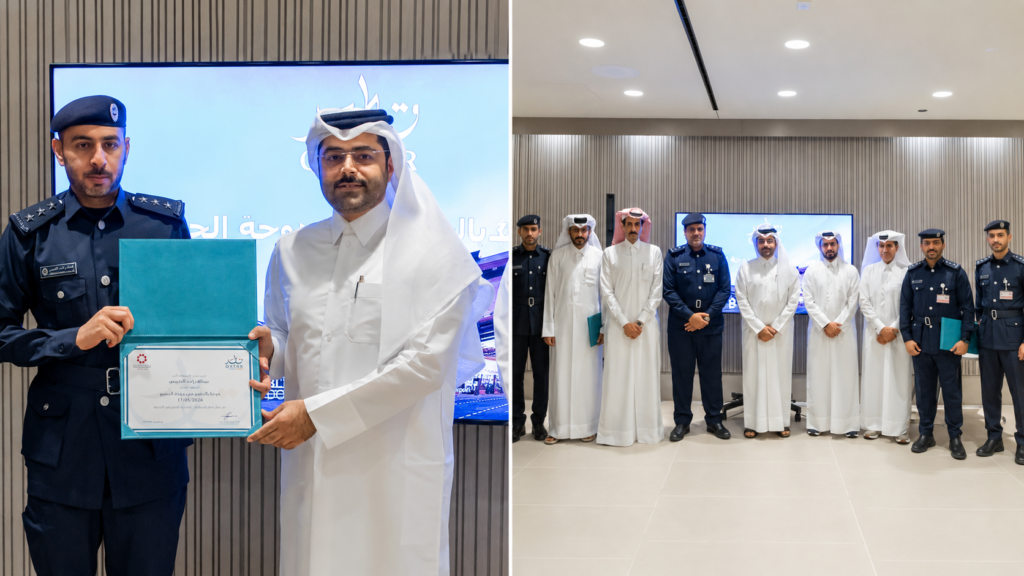
Reading Time: 3 minutesQatar Tourism has launched a new Service Excellence Training programme for Ministry of Interior immigration officers, in collaboration with the Ministry of Interior and Hamad International Airport, as part of ongoing efforts to strengthen the visitor experience at Qatar’s key entry points. The initiative is designed to enhance customer service, communication skills and frontline engagement among immigration officers, ensuring that visitors receive a seamless, professional and welcoming arrival experience from the moment they enter the country. The first training session began on 17 May, with sessions scheduled to continue through the end of October 2026. The programme targets immigration officers working across Qatar’s main arrival touchpoints, reinforcing the importance of first impressions in the wider destination experience. Strengthening Qatar’s Visitor Journey As Qatar continues to position itself as a leading global tourism destination, service excellence has become a key pillar of the country’s tourism strategy. For many visitors, their first interaction with Qatar takes place at immigration counters, making frontline communication and hospitality a critical part of the national tourism experience. The training programme aims to ensure that these interactions reflect Qatar’s hospitality values, while supporting the country’s broader ambitions to deliver world-class service across the tourism and hospitality ecosystem. Mr. Omar Al Jaber, Chief of the Tourism Development Sector at Qatar Tourism, said the visitor journey begins at the country’s entry points, making those interactions an important part of the overall destination experience. He noted that the collaboration with the Ministry of Interior and Hamad International Airport continues Qatar’s efforts to strengthen service excellence standards and enhance the capabilities of frontline personnel. Building on Previous Training Initiatives The programme builds on Qatar Tourism’s existing collaboration with the Ministry of Interior Training Institute, which was established in 2023. It also expands previous service excellence training delivered to immigration and police personnel, including sessions held in early 2025 for 66 police officers across male and female institutes. By extending structured training to more frontline personnel, Qatar Tourism is reinforcing its commitment to raising service standards across the visitor journey and supporting a more consistent hospitality experience for international travellers. Part of a Wider Service Excellence Strategy The Service Excellence Training programme forms part of Qatar Tourism’s broader portfolio of capability-building initiatives. These include the Qatar Host Training Programme, the Spirit of Hospitality in-person training programme, the Qatar Specialist e-learning platform and the Service Excellence Academy. Through the Service Excellence Academy, Qatar Tourism continues to develop specialised programmes aimed at improving service standards across the tourism and hospitality sector. These initiatives include the Tour Guide Training Programme, the Desert Safari Tour Guide Programme, the Summer Camp for children and The Art of Front Office Hospitality programme. Together, these efforts support Qatar’s wider tourism development agenda by equipping frontline professionals with the skills needed to deliver high-quality visitor experiences. Why It Matters for Qatar’s Tourism Economy Qatar’s tourism sector is playing an increasingly important role in the country’s economic diversification strategy. As visitor numbers grow and the country continues to host major events, international conferences, cultural programmes and leisure experiences, the quality of service at every stage of the visitor journey becomes increasingly important. By focusing on immigration officers and airport entry points, Qatar Tourism is addressing one of the most important moments in the travel experience: the first impression. A smooth and welcoming arrival process not only improves visitor satisfaction, but also strengthens Qatar’s destination brand and supports repeat tourism. For Qatar’s tourism and hospitality sector, the initiative reflects a wider shift towards service quality, professional development and visitor-centric growth.
QF’s BilAraby Initiative Discusses the Impact of Arabic in Publishing and Content at Doha International Book Fair
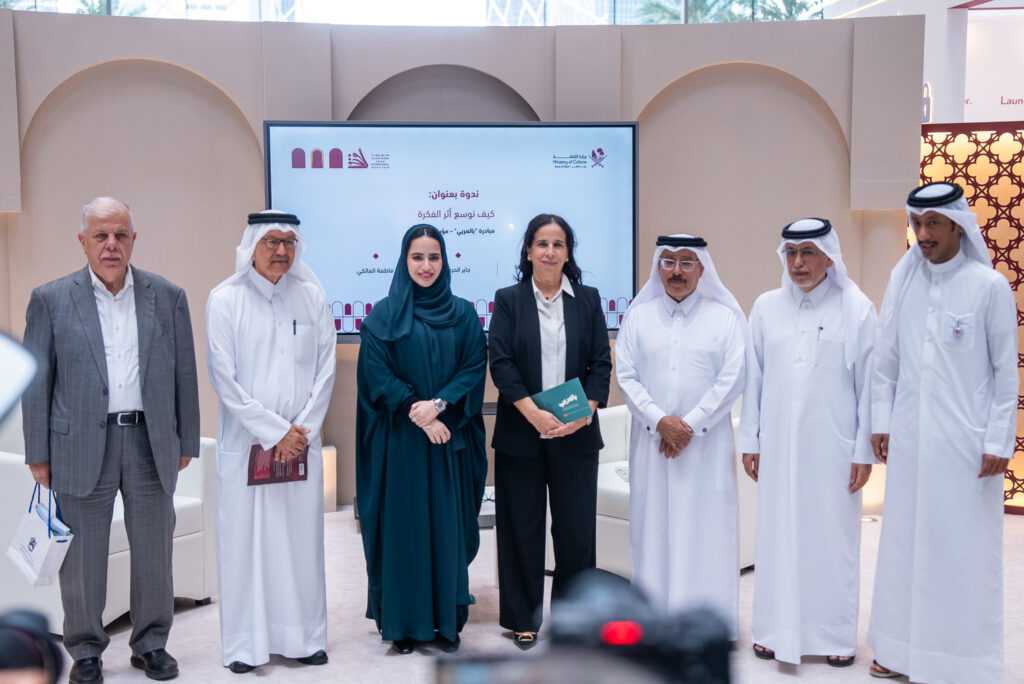
Reading Time: 3 minutesPanel session explores the evolution of ideas from traditional books to digital platforms Qatar Foundation’s BilAraby initiative participated in the 35th Doha International Book Fair with a panel discussion examining how Arabic ideas can move beyond traditional publishing and reach wider audiences through digital content, multimedia platforms and new forms of knowledge engagement. The session, titled “Arabic Between Publishing and Content: How Do We Expand the Impact of an Idea?”, was held at the exhibition’s Cultural Salon at the Doha Exhibition and Convention Center (DECC). The event was organised under the supervision of the Qatari Forum for Authors as part of the book fair programme, which was organised by the Ministry of Culture – Qatar Cultural and Heritage Events Center. Expanding the Reach of Arabic Ideas BilAraby’s participation reflected Qatar Foundation’s broader commitment to strengthening the role of Arabic in cultural dialogue, knowledge production and digital innovation. The discussion focused on a key question: how can ideas created in Arabic reach broader and more diverse audiences, both inside and outside the Arabic-speaking world? Panelists explored the transformation taking place across the Arabic knowledge industry, particularly the shift from print-focused publishing to digital-first content. The conversation highlighted how Arabic can serve not only as a language of expression and preservation, but also as a powerful medium for producing knowledge, shaping public discourse and enabling new voices to emerge. From Books to Digital Knowledge Experiences A major theme of the session was the changing journey of an idea. While books remain a vital foundation for intellectual and cultural work, speakers noted that today’s audiences increasingly engage with ideas across podcasts, video content, social platforms, interactive formats and digital communities. The panel examined how publishers, writers and content creators can transform strong ideas into accessible and engaging knowledge experiences. This includes adapting Arabic content for different platforms while preserving depth, meaning and cultural relevance. The discussion also touched on the role of Arabic in promoting epistemic justice — ensuring that Arabic-speaking communities are not only consumers of knowledge, but also active producers and contributors to global conversations. Leading Voices in Arabic Media and Reading Culture The session was moderated by Souhila Abada, content supervisor and lead trainer at the BilAraby initiative. Speakers included Jaber Al Harami, writer and editor-in-chief of Al Sharq newspaper, and Fatima Al Malki, Director of the Qatar Reads initiative at Qatar National Library. Together, they discussed the responsibilities of media organisations, publishing houses, libraries and content creators in expanding the presence of Arabic knowledge across modern communication channels. Arabic as a Language of Innovation Commenting on BilAraby’s participation, Hisham Nourin, Executive Director of Strategic Initiatives and Programs at Qatar Foundation, said the initiative’s presence at the Doha International Book Fair came from a firm belief in Arabic as a language capable of innovation and knowledge leadership. “The participation of the BilAraby initiative in the Doha International Book Fair stems from our firm belief that Arabic is a language of knowledge production and innovation, not just a means of expression. While a book is a vital starting point, the impact of an idea truly expands when it moves through podcasts, visual content, and digital platforms to reach a global audience,” he said. Interactive Engagement with the Public Alongside the panel discussion, BilAraby hosted interactive activities designed to encourage public participation. Visitors were invited to brainstorm new forms of Arabic content creation and explore how ideas can be transformed into impactful digital experiences. The activities supported BilAraby’s wider mission of creating a space where Arabic content, creativity and knowledge-sharing can evolve in line with the needs of modern audiences. Strengthening Qatar’s Cultural and Knowledge Economy BilAraby’s participation in the Doha International Book Fair reinforced Qatar’s growing role as a regional platform for culture, publishing and knowledge exchange. As Qatar continues to invest in education, media, research, creativity and digital transformation, initiatives such as BilAraby contribute to the development of a stronger Arabic content ecosystem — one that connects heritage with innovation and local identity with global reach. Updates on BilAraby and its 2026 gathering are available through the initiative’s official website: www.bilaraby.qa.
Place Vendôme Launches ‘Rooted in Resilience:’ A Community Campaign Celebrating Qatar’s Cultural Spirit Through the Power of the Sidra Tree
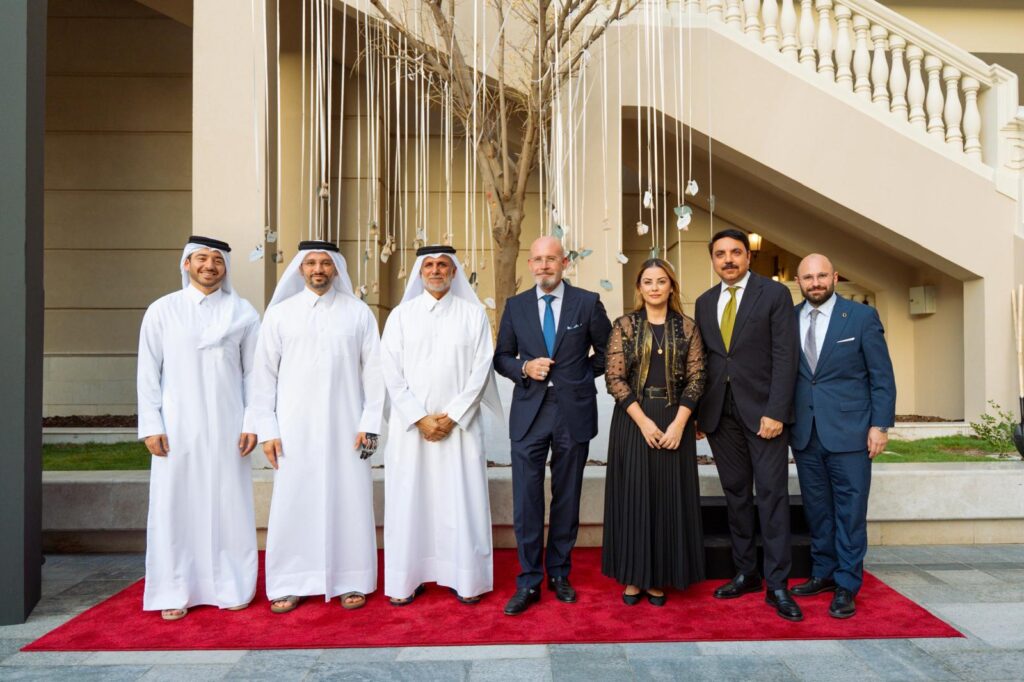
Reading Time: 3 minutesQatar’s premier lifestyle destination unites community, culture, and collective hope through an immersive campaign that culminates in a landmark Sidra Tree Plantation Ceremony honouring exceptional individuals who embody the spirit of resilience Place Vendôme, one of Qatar’s leading luxury shopping, lifestyle and entertainment destinations, has launched ‘Rooted in Resilience,’ a community-focused campaign inspired by the Sidra tree — one of Qatar’s most powerful cultural symbols of endurance, unity and hope. The campaign was designed as a tribute to Qatar, its leadership and the resilient spirit that continues to shape the country’s social, cultural and community identity. Through an immersive visitor experience and a landmark Sidra Tree Plantation Ceremony, Place Vendôme brought together community, culture and collective hope in a meaningful celebration of strength and perseverance. A Campaign Inspired by the Sidra Tree Deeply rooted in Qatari heritage, the Sidra tree has long represented protection, stability, endurance and belonging. Native to the Gulf region, it is known for its ability to grow and survive in some of the harshest desert conditions, making it a fitting symbol for resilience in Qatar. Through ‘Rooted in Resilience,’ Place Vendôme transformed this cultural symbol into a shared community experience. At the heart of the campaign was a striking Sidra tree installation inside the destination, inviting visitors to take part by hanging personal wishes or messages on the tree, capturing the moment, and sharing their reflections across social media. The initiative encouraged guests to become part of a growing digital and physical tapestry of stories connected by hope, perseverance and cultural pride. The campaign’s guiding message captured its essence clearly: “At Place Vendôme, resilience isn’t just a word, it’s something that keeps growing here in Qatar.” Honouring Community Figures Through a Living Symbol The campaign reached a landmark moment with the ‘Rooted in Resilience’ Sidra Tree Plantation Ceremony, held at the iconic Dancing Fountains area on the Canal Floor at Place Vendôme. The evening opened with a fountain show before guests gathered for a ceremony that celebrated individuals whose journeys reflected resilience, perseverance and positive community impact. Each honouree planted a Sidra tree and placed a commemorative plaque bearing their name beside it, creating a lasting living tribute to their story and contribution. Place Vendôme’s leadership team also planted one large Sidra tree collectively, reinforcing the destination’s connection to the community it serves. The three individuals honoured during the ceremony were: Dr. Yousef Al Horr, Founding Chairman of the Gulf Organisation for Research & Development, recognised for his regional and global contribution to sustainable development and green building. Fahad Abdulrahman Badar, the first Arab mountaineer to summit both Mount Everest and Lhotse in a single expedition, symbolising determination and human endurance. Anas Abouqamer, known as TripleF, a Qatari influencer and content creator whose presence reflects the role of digital voices in shaping community engagement and cultural storytelling. More Than a Destination Commenting on the initiative, Sanjay Mehta, Group Director of Marketing at United Developers, said the campaign reflected Place Vendôme’s commitment to becoming more than a retail and lifestyle destination. “At Place Vendôme, we believe that the most meaningful spaces are those that reflect the spirit of the people within them. The ‘Rooted in Resilience’ campaign is a testament to our commitment to being more than a destination. We are part of this community, and this initiative is our way of honouring the extraordinary individuals who make it thrive. The Sidra tree, with all it represents for Qatar, felt like the most fitting symbol for that message,” he said. Carole Sabbagha, Mall Manager at Place Vendôme, said the campaign was created to resonate beyond the mall itself and become part of a wider community story. “This initiative is close to our hearts. We wanted to create a moment that resonates not just within our walls, but across the wider community. Every tree planted today carries a story of resilience, and it is our privilege to give those stories a permanent home here at Place Vendôme. We hope this becomes a lasting reminder that strength, in all its forms, is always worth celebrating,” she said. Community, Culture and Commerce As one of Qatar’s most celebrated lifestyle destinations, Place Vendôme continues to position itself at the intersection of luxury, culture, community and experience. The destination attracts more than 16 million visitors annually and has received major recognition, including World’s Most Beautiful Shopping Centre under the UNESCO Prix Versailles programme, as well as Best Mall 2024 and 2025 at the Shop Qatar Awards. Through ‘Rooted in Resilience,’ Place Vendôme has reinforced that leading lifestyle destinations in Qatar are no longer defined only by retail, entertainment and hospitality. They are increasingly becoming cultural platforms where community stories, national identity and shared values can be expressed. The campaign remains active across Place Vendôme’s social media channels, inviting the wider community to continue engaging with the initiative and contribute their own messages of hope, strength and cultural pride. In a country where resilience has become part of the national story, Place Vendôme’s Sidra tree campaign stands as a living reminder that growth, strength and unity remain deeply rooted in Qatar’s cultural spirit.